Defenders working for peace, justice & the rule of law
Defenders working for peace, justice and the rule of law help build, protect and strengthen the institutions that allow democracy to flourish and safeguard human rights. We create the security and space they need to build a safer and fairer world.
Whether working on emblematic cases of injustice or advocating for systemic change, these activists are on a collision course with vested interests benefiting from the status quo. PBI’s proven protection strategies and tools allow these defenders to catalyse effective transitions to peace and the development of laws and mechanisms that give effect to international human rights obligations.
THe facts
1,000+
Over 1,000 human rights defenders supported by PBI advocate for peace, justice, and the rule of law globally.
71.9%
Percentage of defenders working for peace, justice, and the rule of law for whom impunity and criminalisation is a top issue.
2,000+
In 2023, over 2,000 people attended PBI workshops and events on peace, justice, and the rule of law.
Impact Story: Norma Sancir - Guatemala
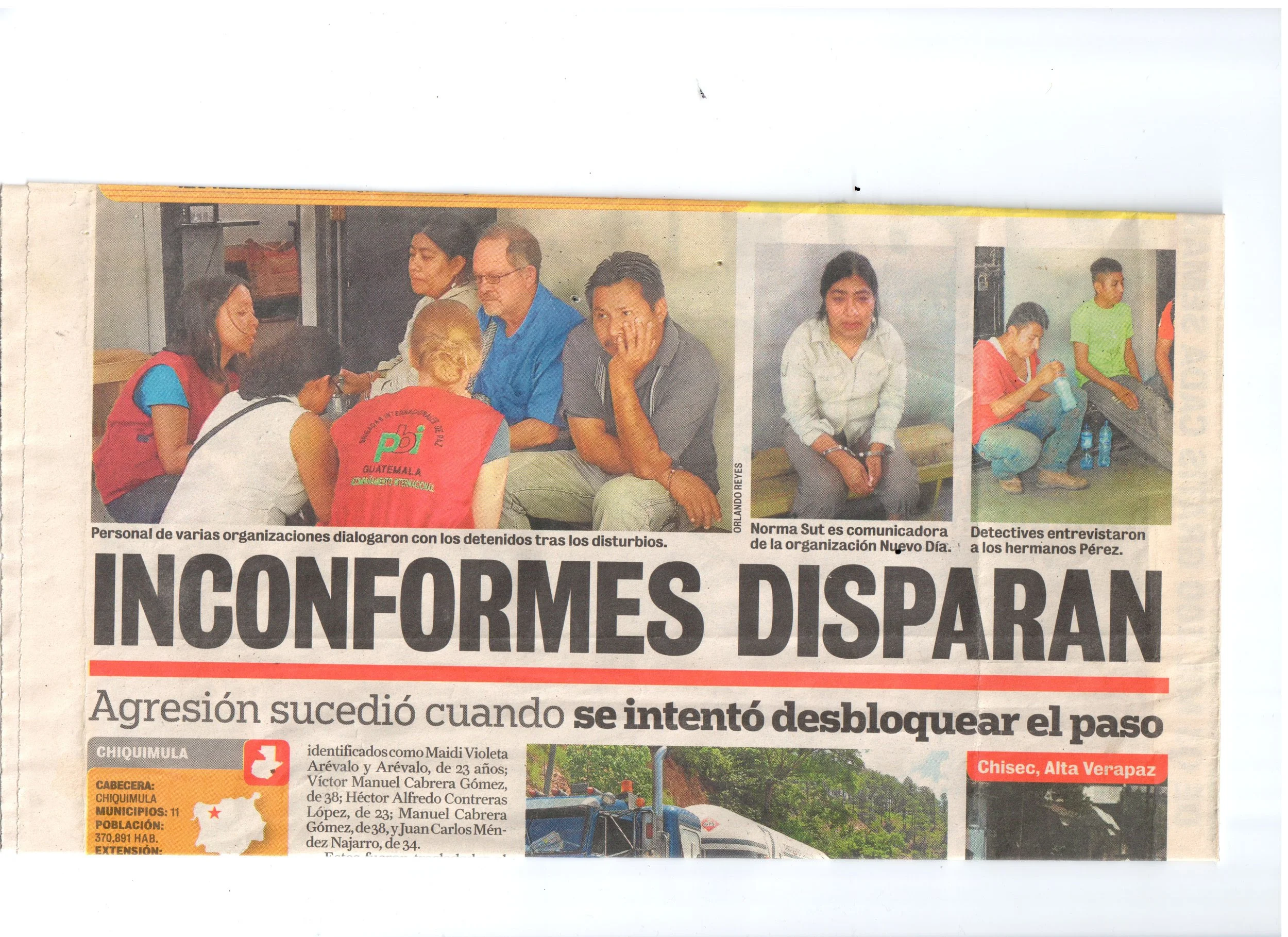
After being illegally detained whilst covering a protest in 2014, Peace Brigades International has supported journalist Norma Sancir in her decade-long mission to secure justice - and a landmark ruling for journalistic freedom in Guatemala.
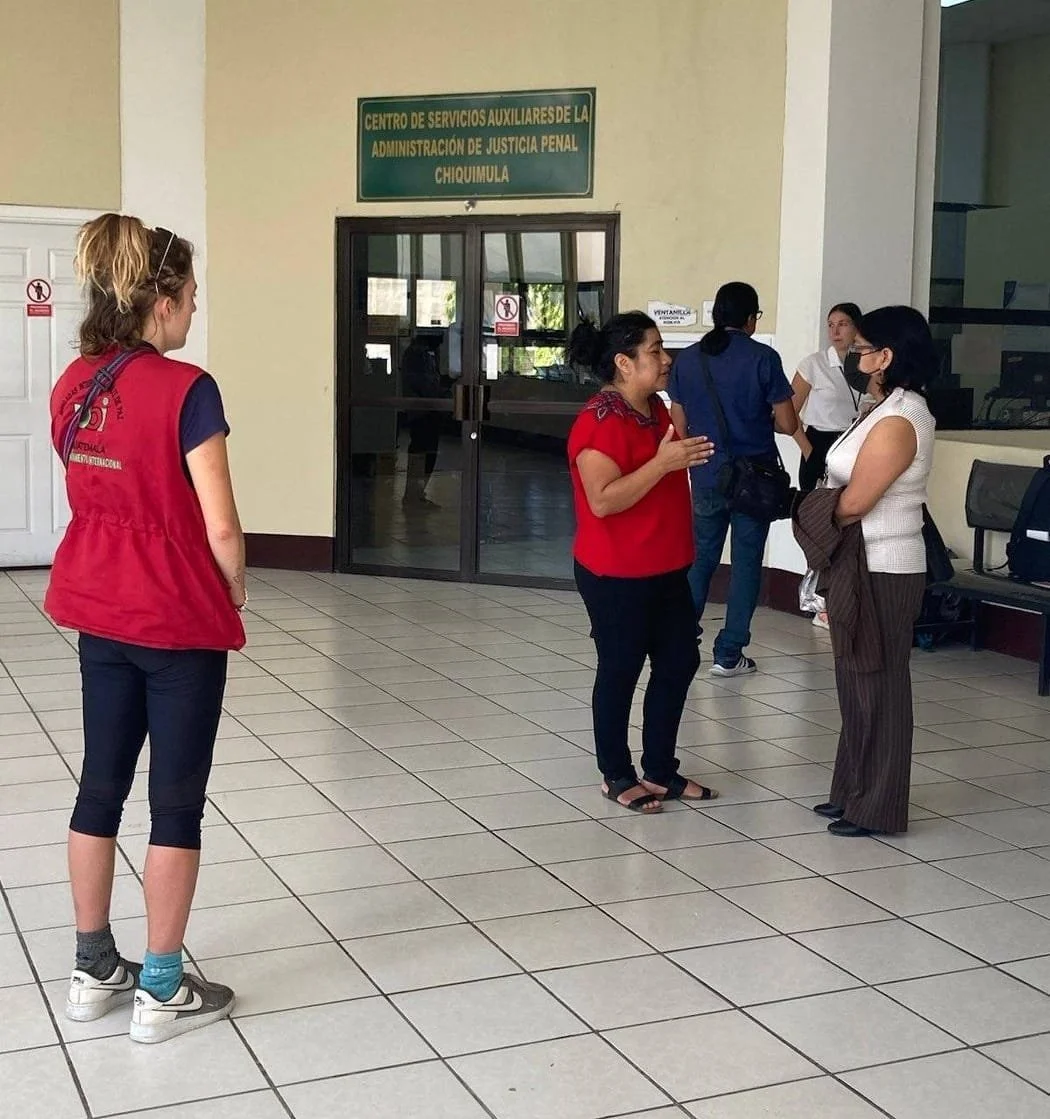
In eastern Guatemala, near the border with Honduras, the Indigenous Ch’orti’ peoples face constant threats to their culture and environment from the hydroelectric and mining projects decimating their historic lands. On 18th September 2014, community journalist and human rights defender Norma Sancir set out - journalistic credentials in hand - to cover a Ch’orti’ community protest. Within minutes of arriving at the demonstration, she was arrested:
“I was going to photograph what was happening as part of my journalistic work. When they saw me, up to ten officers grabbed me, dragged me and then handed me over to female officers who immediately put me in handcuffs.”
Despite repeatedly explaining that she was a journalist, Norma was taken straight to the city of Chiquimula and illegally detained for four nights, without access to a judge. She was finally released due to lack of evidence.
But Norma refused to accept her mistreatment, and the persistent abuse of others in her profession - there were more than 300 reported attacks and crimes against journalists in Guatemala from 2020 to 2023. She filed an official police complaint against the officers involved in her arrest and publicly denounced her treatment. For the next decade, she campaigned for the rights and protection of journalists like her, who were exposing the abuses faced by indigenous communities at the hands of large corporations:
“People who participate in community-based media – informing communities, telling the truth and defending freedom of expression – are being criminalised, censored and threatened. Telling the truth is a right that must be protected and respected.”
But Norma’s very public stance also put her in danger. She faced harassment, heavy surveillance, and a break-in at her home, which forced her to temporarily leave the Ch’orti’ territory.
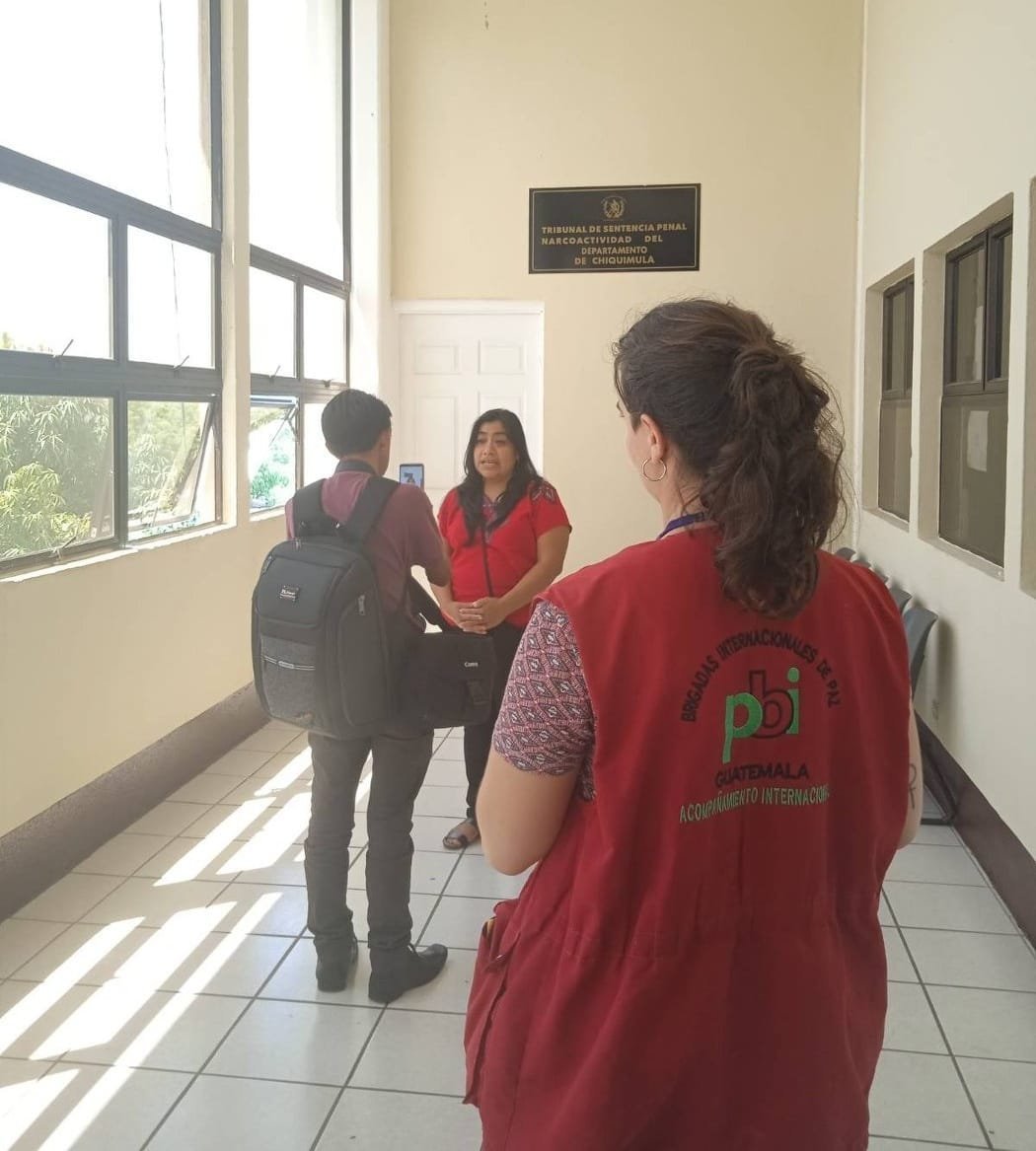
Since visiting her in custody in 2014, Peace Brigades International has accompanied Norma, ensuring her safety as she campaigned for justice and for change. PBI joined Norma at key campaign moments, provided international observation of court hearings, and galvanised international networks to support her. This included organising high-level meetings with foreign governments who subsequently spoke out on her behalf and pressured the Guatemalan authorities to desist from harassing her. Norma explains:
“PBI’s accompaniment has been fundamental. It is important to understand that we all count; each one of us in the community, the accompanying organisations, PBI volunteers in each country and the people moving through the diplomatic spaces. Everything, even the smallest step, adds up to a driving force.”
After numerous delays in her court case, in 2024, ten years after her illegal detention, PBI volunteers were by Norma’s side when three police officers were finally convicted of abuse of authority. The historic ruling not only recognised the importance of protecting community journalists, but specifically mandated that the Guatemalan police receive training on press freedom and community journalism. It also urged the Guatemalan state to create a protection programme for journalists, and public policies safeguarding press freedom and freedom of expression.
After the ruling, Norma stated:
“Today those of us who do journalism have won. Freedom of expression won, justice was done, and the work of community journalists has been recognised. I am very grateful to PBI for accompanying me in the hearings and supporting me in achieving this victory.”
Impact Story: Yanette Bautista - Colombia
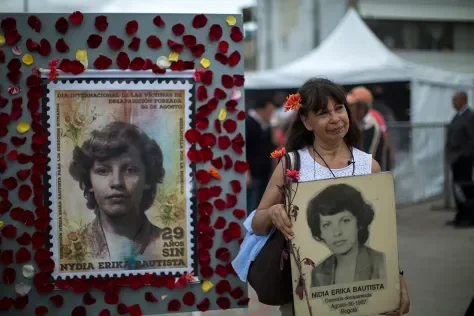
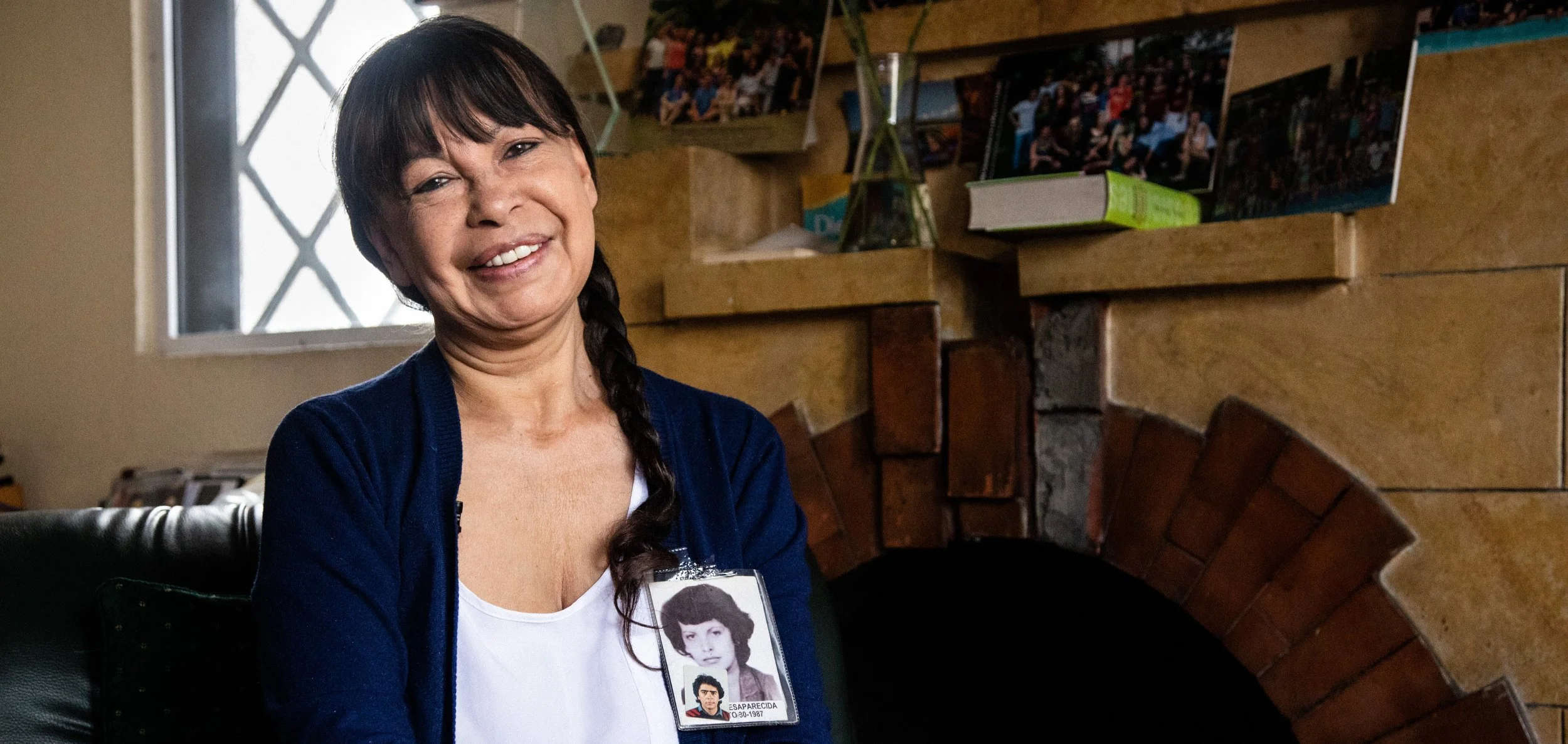
Yanette Bautista was just 27 when her sister Nydia was forcibly disappeared during Colombia’s devastating armed conflict. She was murdered by state authorities and her whereabouts concealed. For over 30 years, Peace Brigades International has stood alongside Yanette as she fights for justice, and protection for women searching for lost loved ones.
“I found my sister three years after she was taken away and disappeared”, Yanette explains. “I knew it was her. She was wearing the same clothes she had on the day she disappeared. When they eventually agreed to give me Nydia’s body, they handed it over in a trash bag.”
Across Colombia, an estimated 210,000 people disappeared between 1985 and 2016. For their families, this means never truly being able to mourn their loved ones. Most often, it is women who take on the long, and exceptionally dangerous, task of searching for answers:
“When women start searching, we become human rights defenders – we challenge the rules of silence and oppression imposed by those who disappeared our loved ones, and we end up defending the rights of everyone.”
For Yanette, the threats to her life became so severe that she was forced to leave her home, send her children elsewhere, and live in exile for eight years. But in 2007, she reached out to Peace Brigades International, and through their support and protection, was able to continue her advocacy in her home country. Returning home, she founded the Nydia Erika Bautista Foundation (FNEB) to help other women like her:
“I wanted to empower families to search for their loved ones, so we started our organisation in my living room. There’s no hierarchy. It is an exchange of knowledge. We provide legal support, document stories and advocate.”
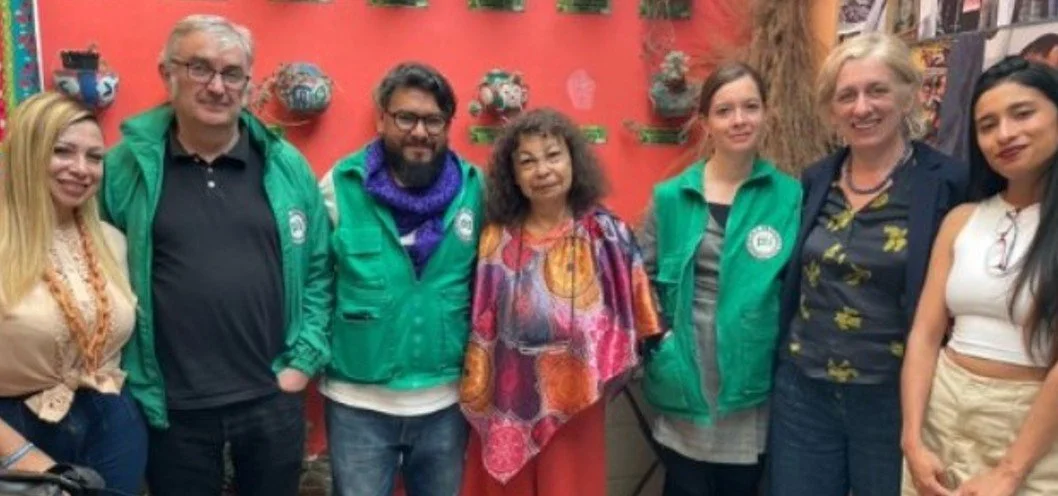
As well as providing physical and emotional support and protection to Yanette and her organisation, whose offices are frequently ransacked, PBI has helped bring the plight of women searching for those disappeared to an international audience. Over the years, they have supported FNEB in engaging with policymakers, lawyers, and the UN Special Procedure on Enforced Disappearances, and advocated at the Human Rights Council for a law to protect these women.
Andrea Torres Bautista, deputy director of FNEB, explains the impact of this support:
“PBIs' accompaniment has been much more effective than bodyguards. For them to see you alongside us, accompanying us, doing daily office rounds and visits, enables us to keep doing our work. And the tours of Europe PBI supported, allowed us to highlight issues and talk about forced disappearance with the international community.”
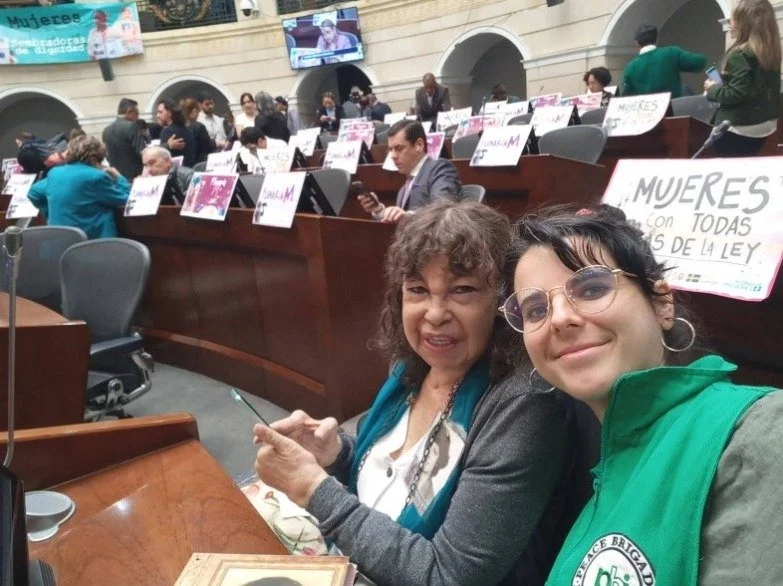
In 2022, accompanied by representatives from PBI, Yanette helped put forward a bill to the Congress of Colombia that aimed to recognise and protect the work and rights of women and people searching for victims of forced disappearance. The first of its kind in the world, this historic bill was signed into law by President Gustavo Petro in June 2024. Law 2364 formally recognises the work of women searchers, orders the prevention of attacks against them, and states that local and national authorities must ensure their rights to healthcare, housing and education are protected.
If implemented as promised, the bill will transform the safety and security of women, not just in Colombia, but in countries such as Argentina, Chile and Mexico, where forced disappearances have devastated hundreds of thousands of families. Specifically, the law instructs the Colombian government to apply to the United Nations for an International Day in Recognition of Women Searchers for Victims of Enforced Disappearance.
Yanette is rightly proud to see her life’s work having such an impact:
“We don’t want hope to disappear. It strengthens us; it inspires us, the memory of our loved ones is in our hearts. I do feel a lot of satisfaction about what I have done over these 30 years, walking alongside the victims.”
“If something should be preserved as a world heritage, it should be PBI.”
Yanette’s legacy lives on.
Case study: the lingering shadows of enforced disappearances in Guatemala
Luz Leticia Hernández Agustin was captured and disappeared by state security forces on 22 November 1982. It is feared that she was a victim of torture and extrajudicial execution at the age of 25.
Her family has been searching tirelessly for her ever since. Along the way, they have met other families who, like them, experienced the forced disappearance of a loved one. Relatives founded the Mutual Support Group (GAM) in 1984. In the same year, PBI offered their house for the weekly meetings of the group and GAM became PBI’s first accompanied collective.
PBI’s very visible and public presence in accompanying Luz Leticia’s family led to the first statement hearings for her case. The hearings had been cancelled several times in the previous six months before PBI’s accompaniment.
In January 2021, the case entered the procedural phase. The main suspect is Juan Francisco Cifuentes Cano, former commander of the Special Operations and Reactions Battalion. In 2023, he was indicted for the crime of the forced disappearance of Luz Leticia, as well as crimes against humanity.
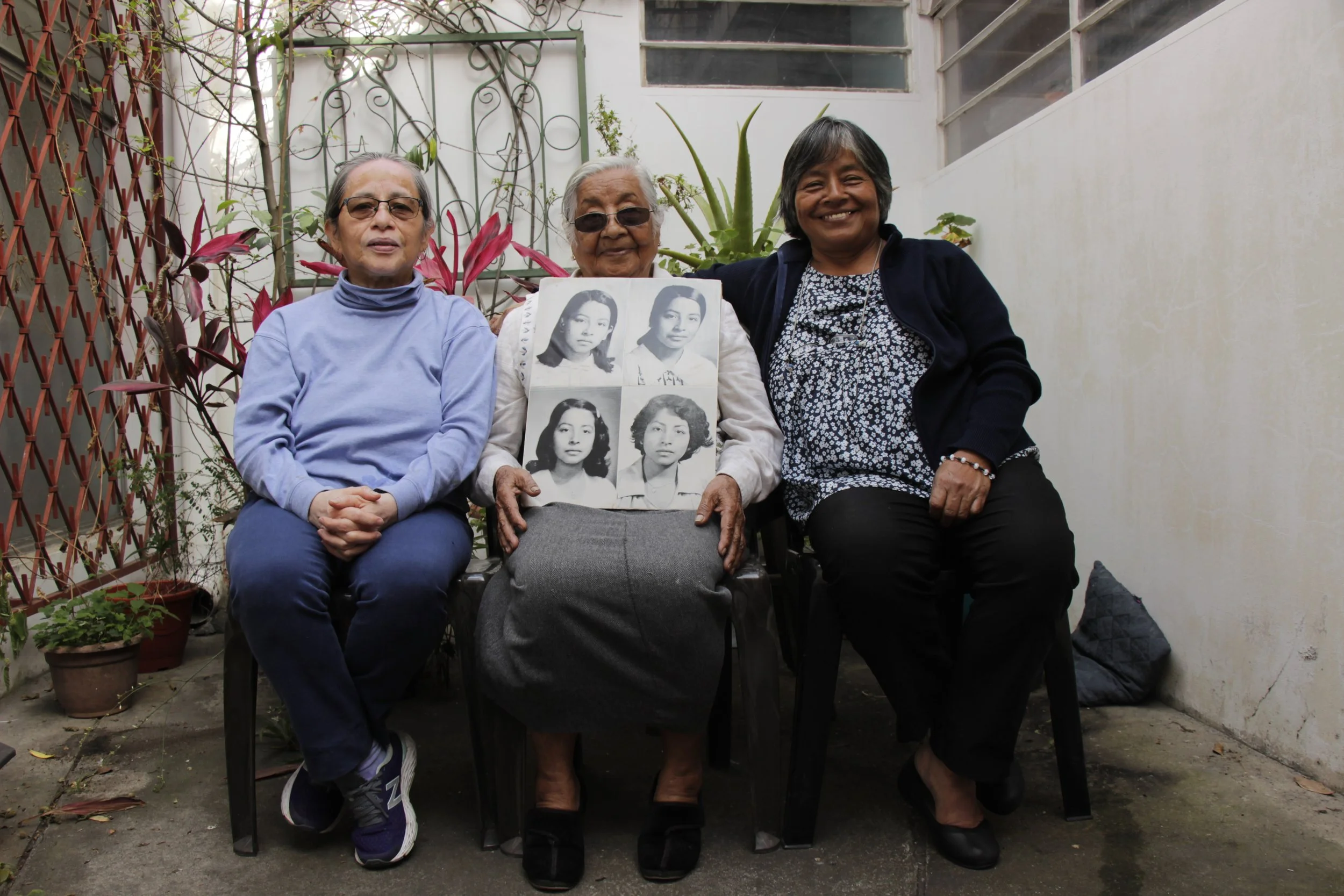
Sisters Marta and Mirtala and mother Valentina seek justice for the disappearance of Luz Leticia, Guatemala.
latest news
-
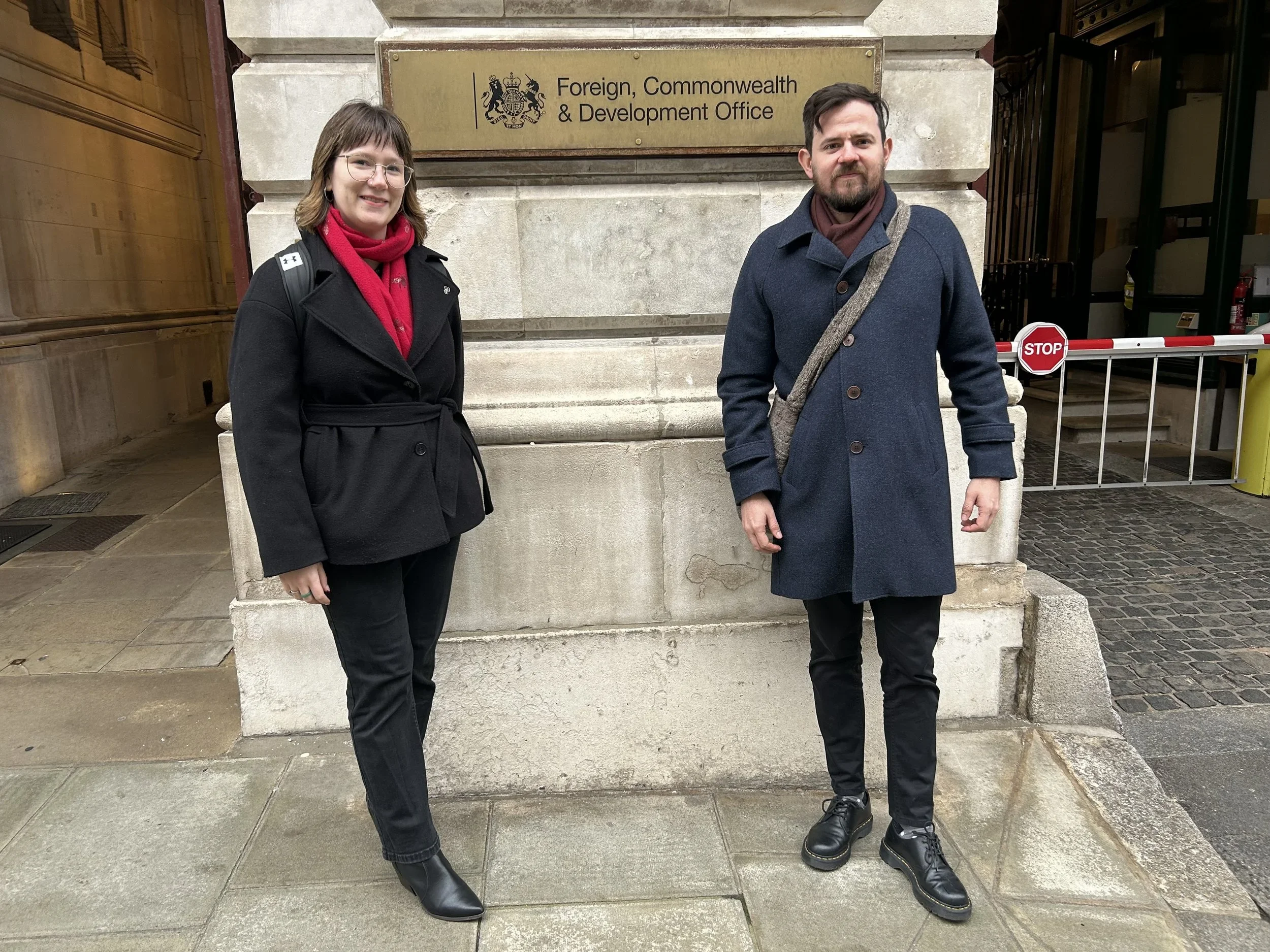
![Two people standing in front of the Foreign, Commonwealth & Development Office building, posing for a photo. The woman on the left is wearing a black coat, red scarf, and glasses, and the man on the right is wearing a dark blue coat and black shoes.]()
In Conversation With Sebastián Escobar Uribe
His work as a human rights lawyer in Colombia working towards justice for victims of the armed conflict.
-
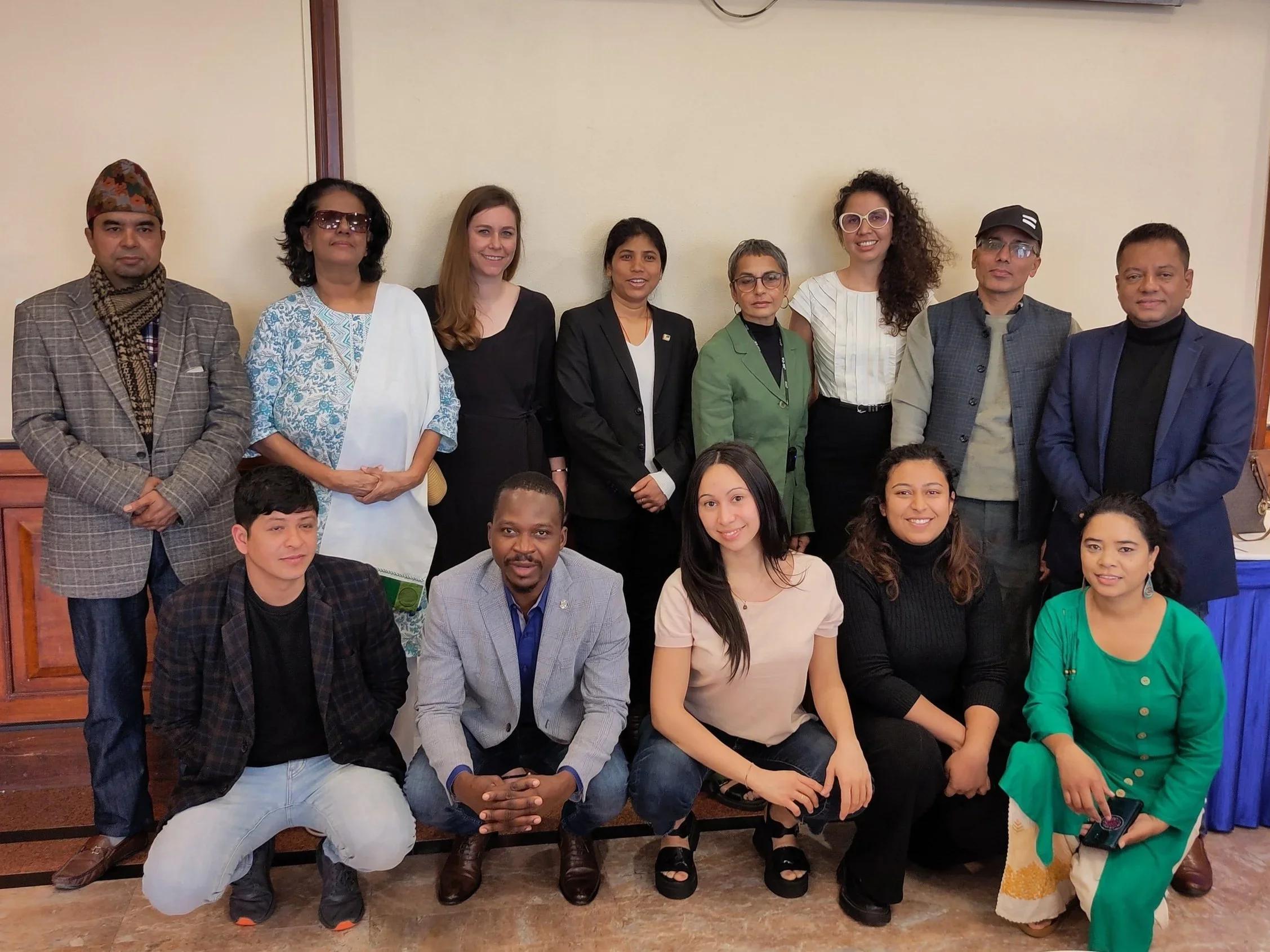
![Group of 13 diverse people gathered in a room for a photo, standing and sitting in two rows, some smiling, dressed in casual and formal attire, with a plain wall background.]()
The Impact of International Legal Delegations
Strengthening human rights in Guatemala and Nepal.
-
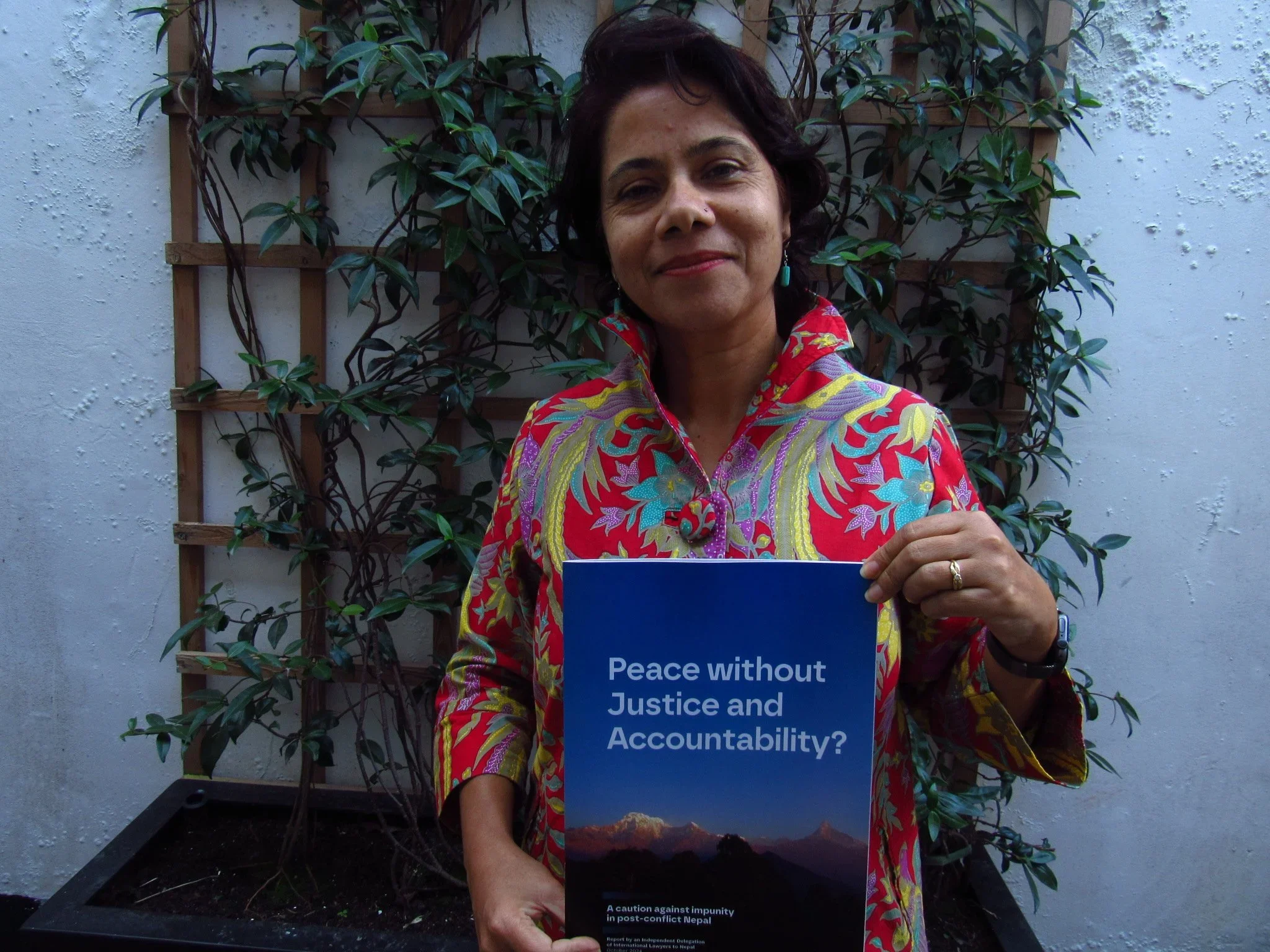
![A woman wearing a colorful embroidered jacket holding a blue book titled 'Peace without Justice and Accountability?'. She stands in front of a white wall with a wooden lattice and green plant growing on it.]()
In Conversation with Mandira Sharma
Her work as a lawyer and human rights defender for justice in Nepal.