Land, environmental and Indigenous defenders
Land, environmental and Indigenous defenders are on the front line of the fight for our planet’s future. We provide them with the security, support and resources they need to meet this moment.
The Intergovernmental Panel on Climate Change (IPCC) recognises that the voices of Indigenous communities and environmentalists already suffering the consequences of climate change must be heard if we’re to stem the crisis. Yet many live in fear of speaking out.
More than four land and environmental defenders are murdered every week, with Indigenous defenders massively over-represented among those killed. Rural communities often lack the information and resources to counter business interests affecting their rights.
PBI provides holistic protective accompaniment and support so that land, environmental and Indigenous defenders are able to continue their vital work in secure conditions.
Read more about the land, environmental and Indigenous defenders and how they are winning the fight:
THE FACTS
2,253
From 2012 to 2024, 2,253 land and environmental defenders were murdered due to their work, with Indigenous defenders massively over-represented among those killed, according to Global Witness.
85%
Latin America’s share of documented murders of land and environmental defenders, according to Global Witness.
2,184
We provide protective accompaniment and support to 2,184 land, environmental, and Indigenous defenders.
Impact Story: Mexico landfill site
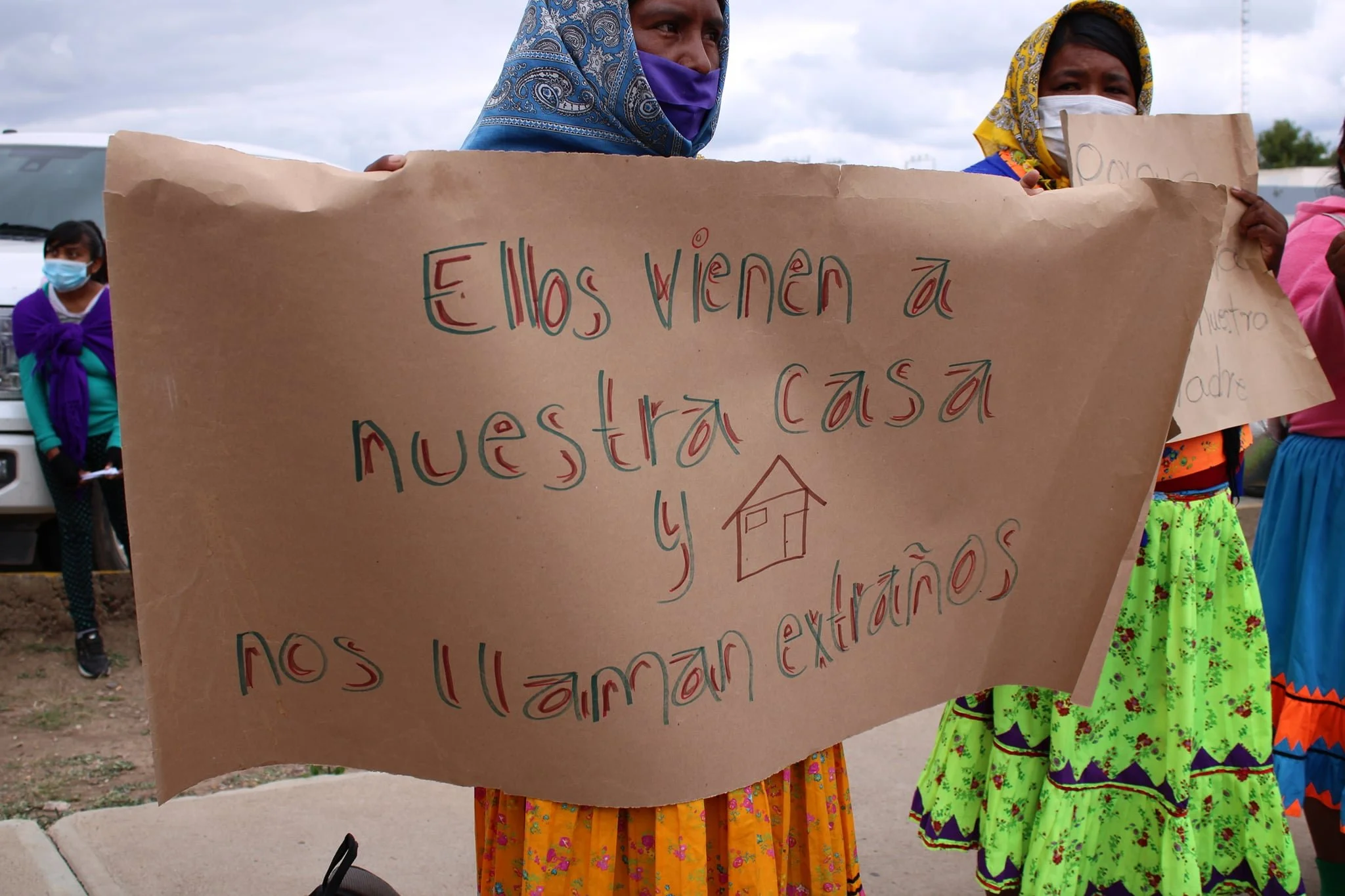
In the foothills of the towering Popocatépetl volcano, Peace Brigades International supports Indigenous communities who are protecting their ancestral lands from the sprawling industrial projects that threaten their environment, health, and security.
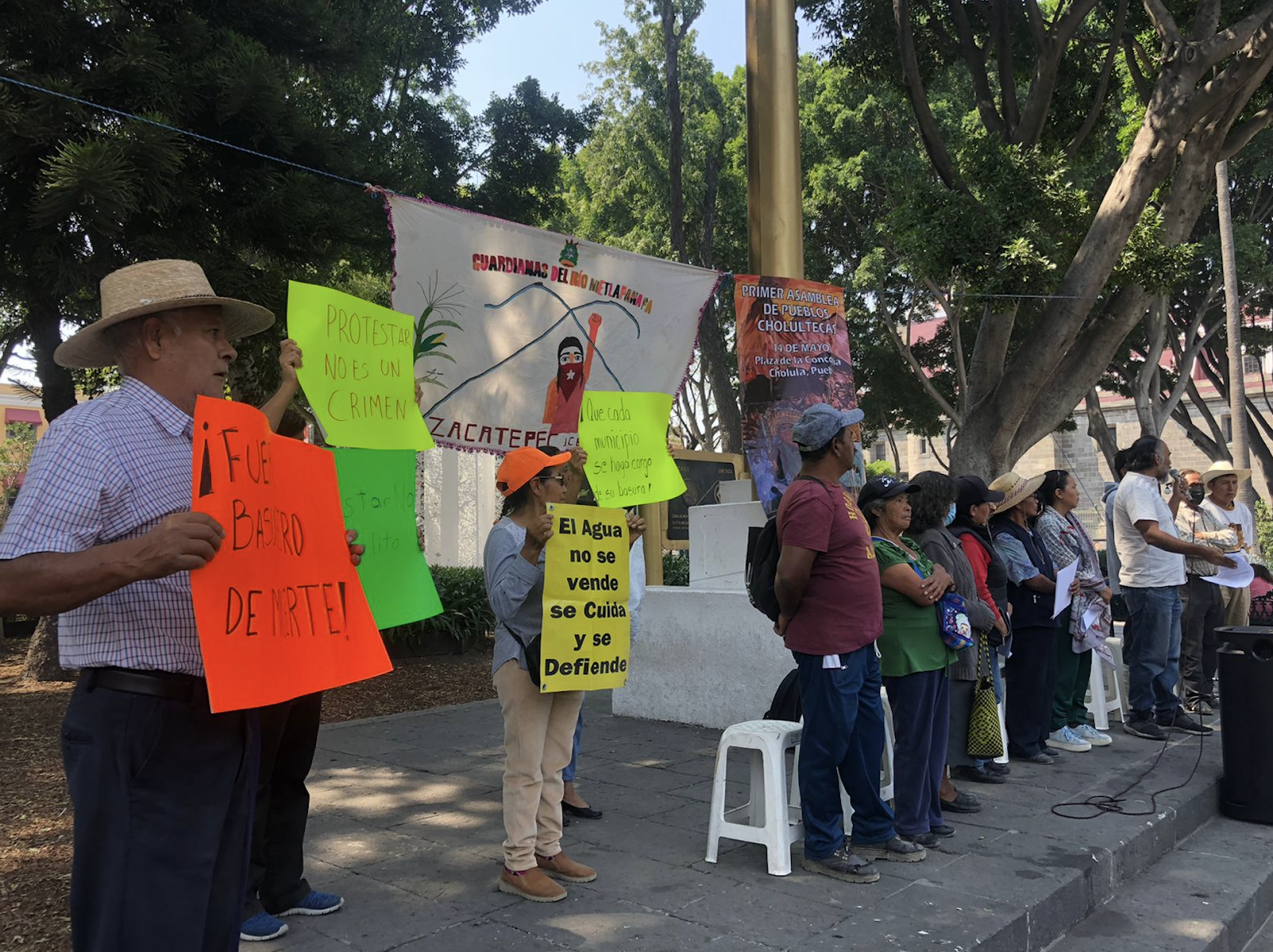
The grassroots People’s Front in Defence of Land and Water (FPDTA-MPT) is a collective of Nahuati Indigenous communities. Established in 2012, they have successfully stalled and challenged a series of illegal and environmentally damaging projects in the Mexican states of Morelos, Puebla and Tlaxcala.
The Calpan Landfill Site is one such project. Built on Indigenous farmland outside Puebla City, the landfill expanded far beyond its intended capacity, contaminating rivers and water supplies, devastating regional biodiversity, damaging crop production, and attracting hordes of disease-carrying pests.
Juan Carlos Flores Solis is a lawyer for the FPDTA-MPT:
“Fruit trees and maize no longer grow as they used to, directly affecting community life. Respiratory and gastrointestinal illnesses emerged, even within communities 10 kilometres from the site. The impacts on our community’s health and environment have been severe.”
The organisation established 24-hour protest sites in front of the landfill. But Mexico is one of the most dangerous countries for environmental defenders, and speaking out against powerful companies and the government has led to violent attacks and harassment:
“Resisting this project has meant taking significant risks. We have faced constant criminalisation and incidents; from illegal raids and direct threats to armed violence against the community itself. Several colleagues—including myself—have open investigation files, exposing us to the permanent risk of detention.”
Since 2020, PBI has accompanied FPDTA-MPT and Juan Carlos as they struggle for justice. In April 2024, after police fired shots at protestors and vehicles were set alight, PBI stepped up their physical accompaniment, with personnel in their distinctive green vests providing a continuous presence at the protest sites.
Alongside this, PBI used their political influence to rally national and international support, with representatives from the Finnish embassy meeting with defenders in Puebla. In a country where civil society is increasingly repressed, PBI helped to open up channels of communication and centre human rights in discussions between protestors and state authorities. Juan Carlos explains the impact of this support:
“PBI's support has been critical. We feel we have room to manoeuvre. It’s not just about their physical presence at activities, but also the government’s awareness of PBI’s work and the international support networks backing them.
“I believe that certain measures the government might consider—such as raids on my home—are now evaluated more cautiously knowing PBI is monitoring the situation. PBI’s pressure has led to improvements in security measures and responses, anddirect attacks and severe threats against me have become less frequent.”
In August 2024, the so-called ‘landfill of death’ was finally closed. In a country where Environmental Defenders are increasingly under attack, this case shows that with the right tactics and support, they can still be a force for positive change.
“The final closure order of the landfill was met with joy and relief. It was a long-standing demand, and seeing it fulfilled brought immense satisfaction. The constant tension, the collective anxiety, finally eased a little.”
The closure has helped build momentum among other communities in nearby towns of Acuexcomac, Xoxtla and Nealtican, who are campaigning against poor water quality and pollution. PBI Mexico is accompanying Juan Carlos in his legal work representing a number of these defenders:
“This victory strengthened the sense of empowerment among the communities, proving that change is possible.”
But despite the official closure, the possibility of the Calpan landfill reopening continues to haunt protestors, as does the site's ongoing environmental impact. Juann Carlos explains:
“The fight is far from over. We continue to face attempts by the company and the government to keep this space active, and leachate continues to seep into the ground without any clear plan for mitigation. What comes next is securing a true closure plan, one that does not involve bringing in more waste and ensures the landfill will not be reopened.”
Impact story: Indonesia
Indonesia is the world’s largest palm oil exporter. Between 2001 and 2017, commercial ventures destroyed more than 24 million hectares of the country’s tree cover - an area nearly the size of the United Kingdom. Alumni of Peace Brigades International’s pioneering courses for Indonesian human rights defenders are leading the fight to protect the Indigenous communities who call these forests home.
Peace Brigades International has worked with Indonesian communities for over 25 years. From the outset, PBI’s aim was to connect and strengthen those people across Indonesia who were passionate about building a movement for change in a country embroiled in conflict, and where human rights abuses were endemic.
PBI works alongside national human rights organisations and defenders to strengthen their ability to document human rights abuses, advocate internationally, and build protection networks.
Between 2014 and 2019, PBI ran a pioneering Basic Course for Human Rights Defenders from Indonesia. It was the first of its kind, and 49 people went through the intensive four-month training programme in Jakarta, learning about human rights theory, holistic security, advocacy, conducting field research, dealing with trauma and stress, and non-violent communication.
The course was hugely successful and helped lay the groundwork for the growing civil society we now see today. Three years after the course finished, 90% of the alumni were still actively promoting and protecting human rights. A decade on from the first training, alumni from the course are established in senior positions across civil society, as leaders in Indigenous Councils and Church networks, as prominent human rights lawyers, as journalists, as filmmakers, and as founders of national human rights organisations.
Now, many of these alumni are leading the fight for Indigenous communities against the threats to their livelihoods, culture and even lives, from the global corporations extracting lucrative resources from the world’s third largest tropical forests.
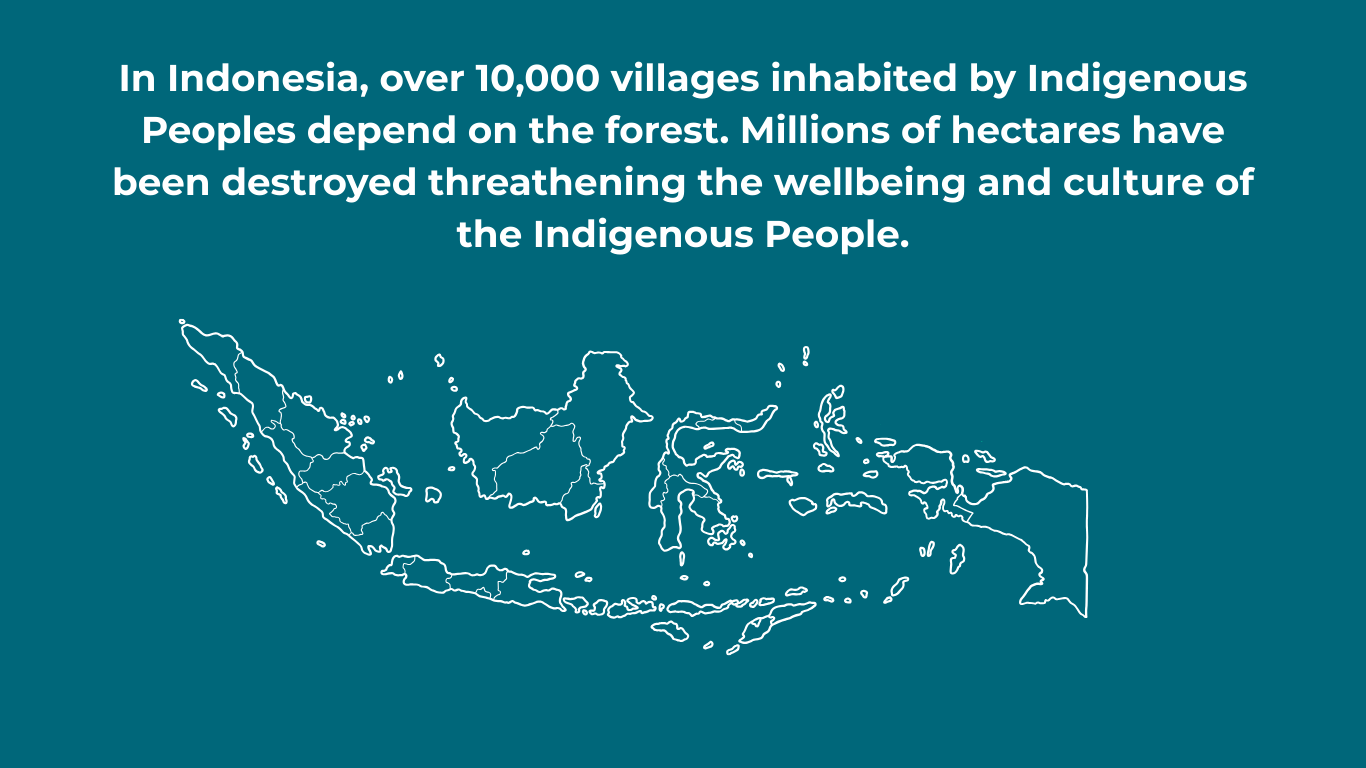
An investigation by PBI’s partner organisation, Pusaka, revealed the presence of at least 10,472 villages in the region, largely inhabited by Indigenous Peoples who depend on the forest. It is widely recognised that, in Indonesia, the burning of millions of hectares of forest for palm oil and mining concessions not only threatens the wellbeing and culture of Indigenous Peoples, but it also makes Indonesia one of the world’s largest contributors to greenhouse gas emissions. But community activists face intimidation, enforced displacement, death threats and imprisonment for attempting to protect these forests.
Feki Mobalen, who sadly passed away in February 2025, was an alumnus of PBI’s Basic Course and became the Coordinator of the Alliance of Indigenous Peoples of the Archipelago (AMAN) Papua. He was a courageous activist for Indigenous Peoples, and PBI worked alongside him to bring their voices to a national and international stage.
In 2021, Feki helped to secure a landmark victory for the Indigenous Moi People, who had spent more than a decade opposing the palm oil companies that were destroying their customary land. In a press statement, they explained their connection to the land:
“The forest, swamps, rivers, old villages, ancestral graves, and everything within our customary territory is our life. Yet all of this is now threatened by extractive industries and large-scale projects. The forest will be gone, and we will be extinct.”
Feki organised the Moi communities to campaign for the head of the local government to cancel the palm oil companies’ business permits, on the basis that the Moi had never consented to the conversion of their ancestral lands to palm oil concessions. After consultations with affected communities, the Sorong Regency revoked the company's permits in February 2021.
For three of these companies, this meant ceasing operations across over 90,000 hectares of land - an area larger than New York City. The palm oil companies turned to the courts, filing a series of lawsuits and appeals to regain their permits. But once again, Feki and his organisation successfully fought in court to uphold Indigenous land rights, and the appeals were dismissed.
In their decisions, the judges emphasised the importance of the Moi claims to their land rights, and affirmed that they should ultimately decide how their customary land is used. It was a groundbreaking ruling in a country where Indigenous Peoples are threatened, harassed and abused for trying to protect their ancestral forest homes.
As the Indigenous Peoples of Indonesia brace themselves for more mining mega-projects, sugar cane plantations, and massive oil palm expansion, PBI continues to support human rights defenders who are taking a stand and making real change. PBI is connecting defenders who are resisting land grabs and resource extraction, so they can share successful advocacy and risk-reduction strategies. And given PBI’s status as one of the world’s expert organisations in holistic security, its security training for human rights defenders is helping keep activists safe as they fight to protect their forests and our planet.
Impact story: Kenya Nuclear Power Plant
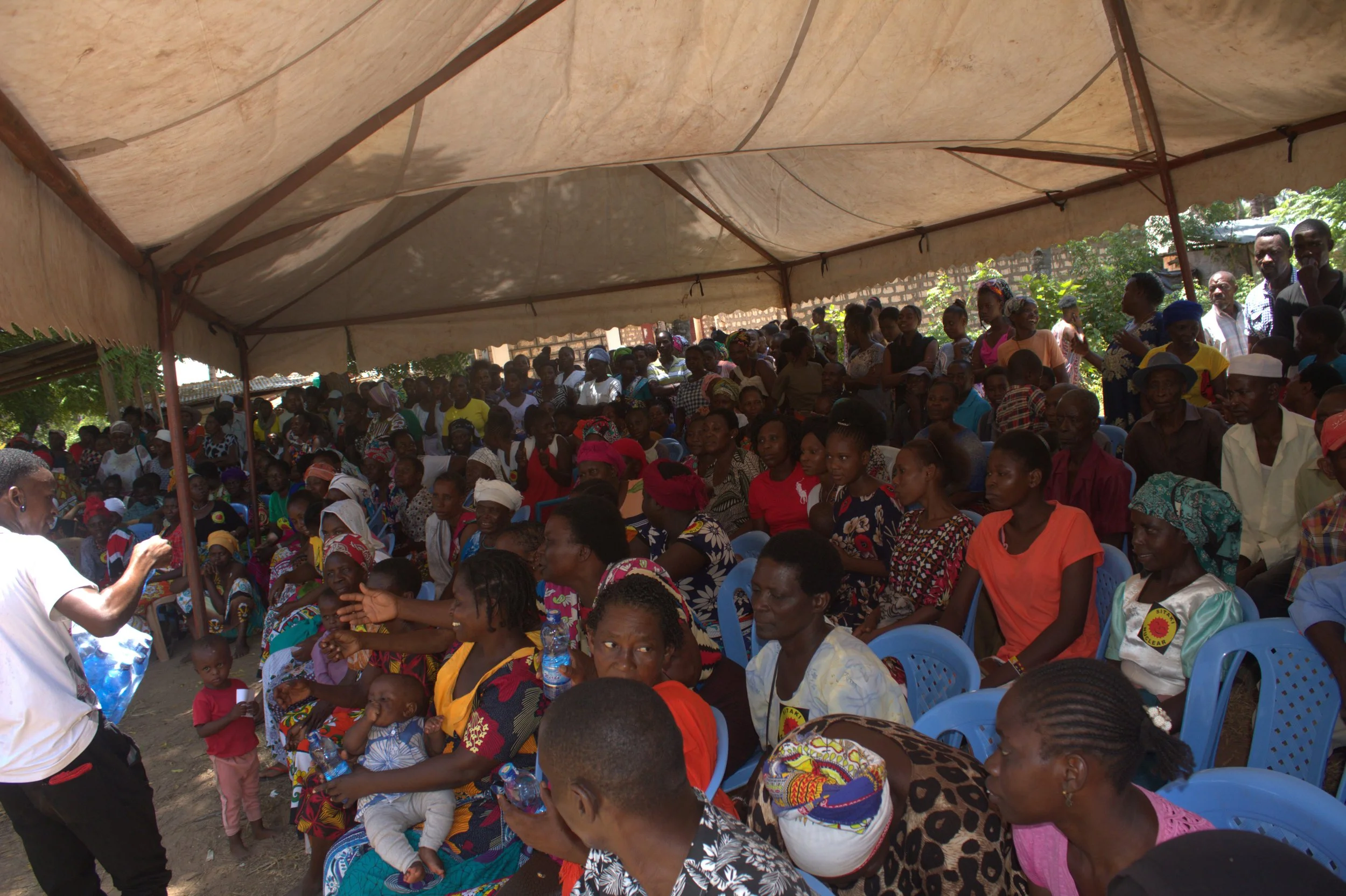
When the construction of a nuclear power plant threatened to destroy one of the most abundant natural environments on the planet, environmental defenders in Kilifi County, Kenya, called on Peace Brigades International to help them protect their homes and their livelihoods.
Uyombo village sits on the coast of Kilifi County, Kenya, flanked by the Watamu National Marine Park and the Arabuko-Sokok Forest - a UNESCO Biosphere Reserve. The coral reefs are teeming with marine life, and the forest, which is home to countless rare birds, insects and plants, is critical to the region’s rich ecosystem. For the community that lives there, this land is part of their cultural heritage, a symbol of their identity and, for many, a vital source of income through fishing and eco-tourism.
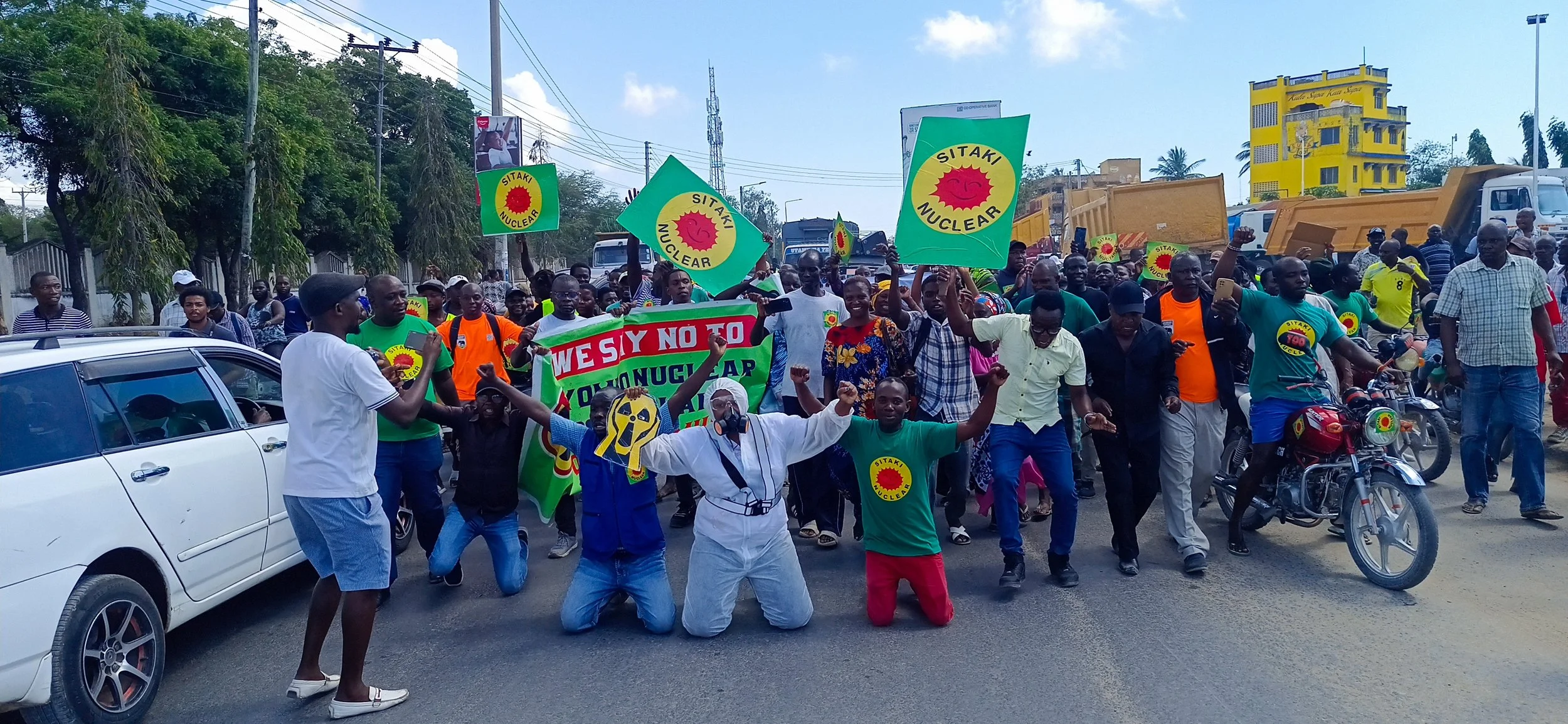
In August 2020, without consultation with the local community, Uyombo was announced as the proposed site for Kenya’s first nuclear power plant. The proposal ignited intense opposition from the community and environmentalists, who feared its impact on delicate ecosystems and the health risks posed by nuclear spills and poor waste management.
Leading the opposition was the Centre for Justice Governance and Environmental Action (CJGEA), a grassroots environmental justice organisation working to protect communities from the harmful effects of pollution. Phyllis Omido is the organisation’s Executive Director:
“We host the only East African coastal forest, we host the Watamu marine park, and we host the largest mangrove plantation in Kenya. We do not want nuclear (energy) to mess up our ecosystem.”
Initially, a series of peaceful protests and petitions, tensions rose as protestors and organisers faced a brutal response from authorities. In addition to physical attacks by police, they were subjected to cyberattacks and online surveillance. In 2024, they asked for support and protection from Peace Brigades International (PBI).
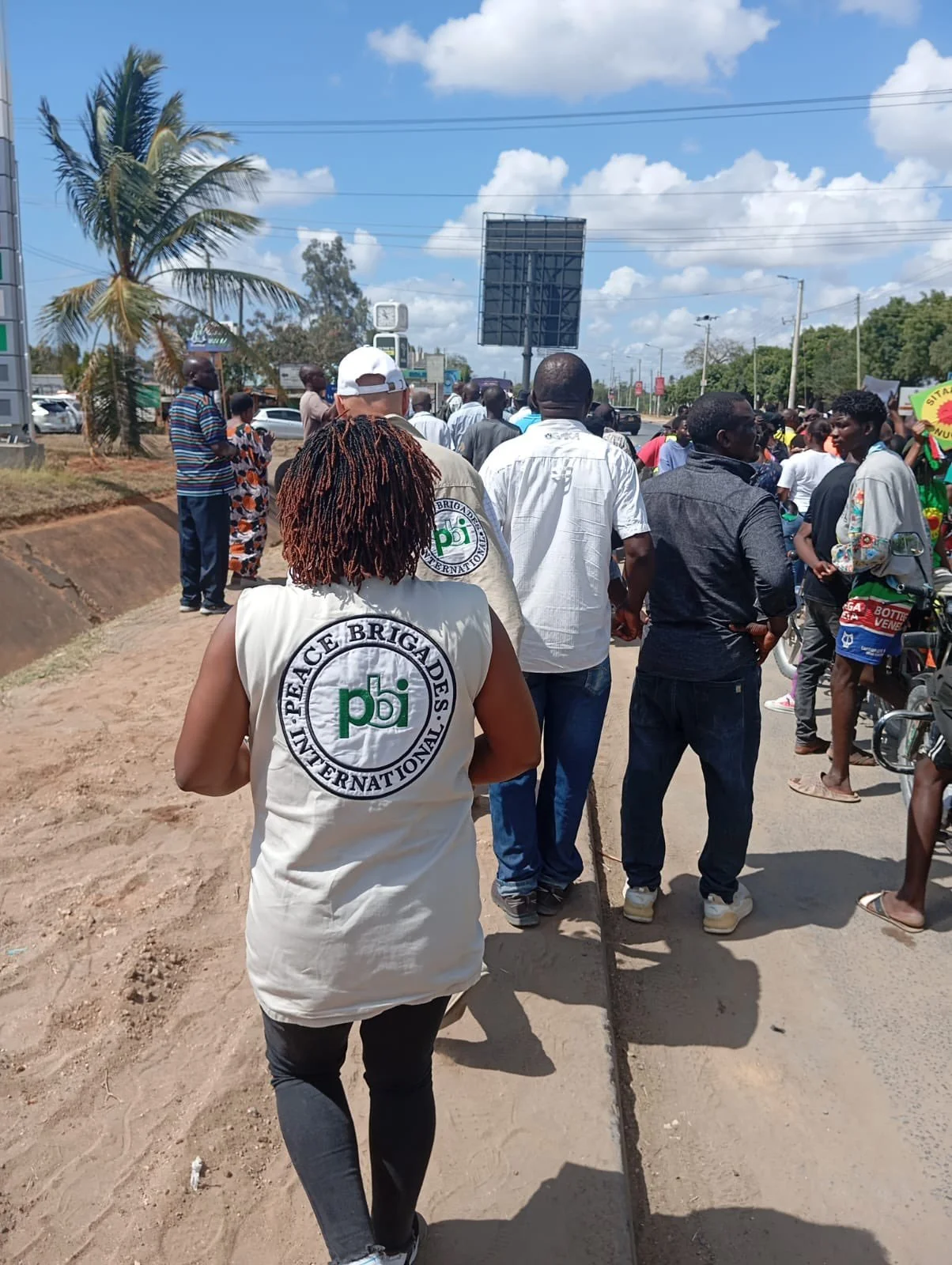
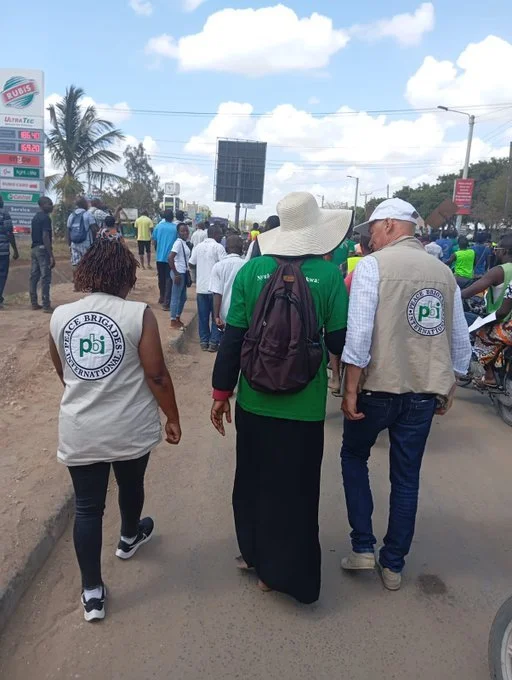
With their distinctive green vests, PBI attended protests, marches, and a high-profile public meeting against the project, and their international support ensured events remained peaceful and protestors remained safe. Lance Mbani, Program Officer for CJGEA, explains the impact of this:
“Having PBI present has provided a strong sense of security and solidarity. It has significantly deterred threats against us and has emboldened us to speak out and act more confidently in the pursuit of human rights and the protection of the communities’ right to a clean and healthy environment.”
Alongside this, PBI also provided targeted security training for CJGEA staff and local activists, who were facing the worst of the physical and online abuse:
“The training has helped us create clear steps for assessing and managing risks, and has significantly enhanced our safety and that of the defenders we work with - especially women who are often at the greatest risk of reprisals.”
PBI Kenya also accompanied activists in their advocacy, including delivering a petition to the county Governor’s office, calling for urgent intervention from the President of Kenya. Their sustained efforts to protect their environment and communities bore fruit in January 2025, when Kenya’s parliament disbanded the Nuclear Power and Energy Agency (NuPEA), responsible for the nuclear power plant’s construction and for much of the abuse activists faced.
The landmark move underscores the government’s recognition of the economic and environmental concerns raised by the Uyombo community. It sets a powerful precedent for environmental justice across Kenya and the region. It demonstrates that inclusive, community-led resistance can influence national energy policy and that when activists are consistently kept safe and heard, they have the power to defend and protect their people and their planet.
Case study: supporting Indigenous defenders in Guatemala
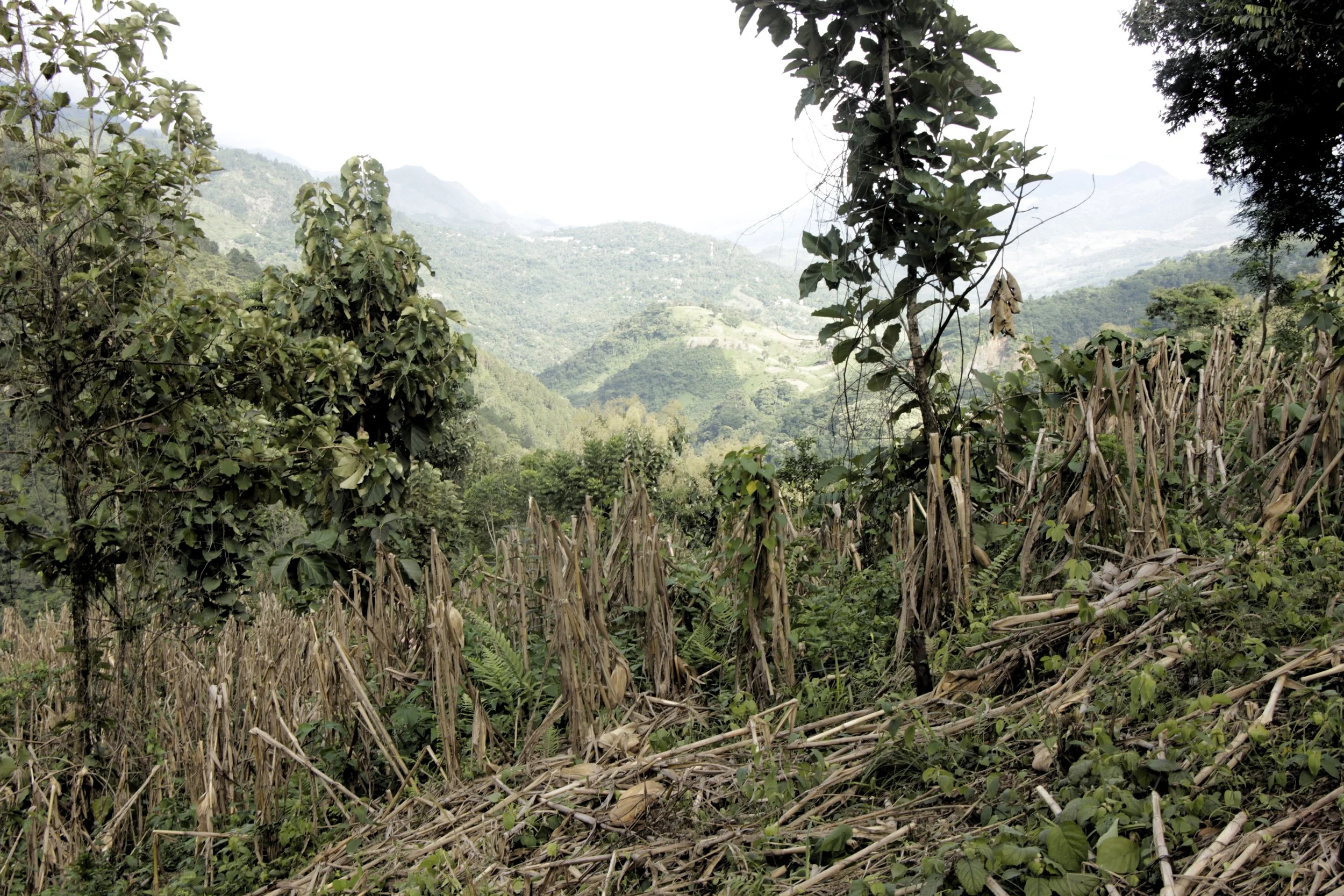
In Guatemala, members of the Central Farmers Coordination Ch’orti’ Nuevo Día (CCCND) have faced threats, physical attacks, and imprisonment as a reprisal for their work defending Indigenous rights in the face of controversial extractive projects colluding with corrupt authorities.
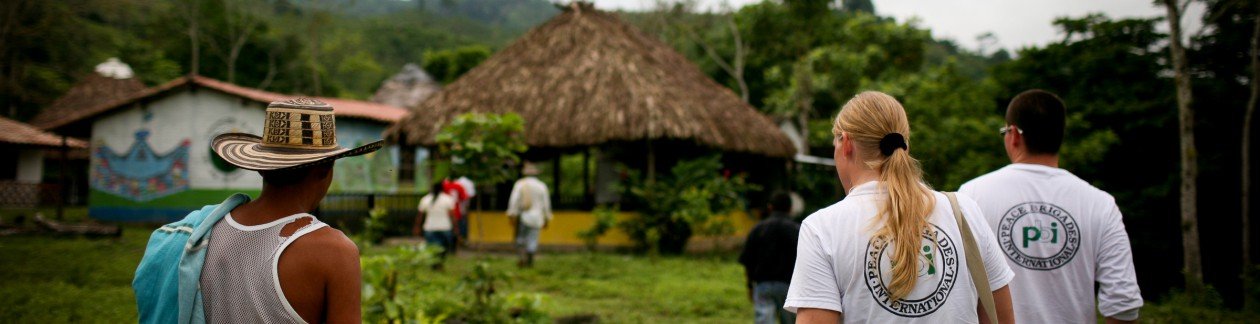
PBI provides CCCND and several ch’orti’ communities with holistic protective accompaniment. Our teams ensure a monitoring presence in high-conflict areas, and provide physical accompaniment to some of the most threatened Indigenous leaders and their lawyers.
PBI UK arranged for legal delegations to visit the region, successfully advocated for the UK Government and embassy to take action in support of the communities, and connected CCCND representatives with global support networks.
With sufficient safety and enhanced international backing, CCCND has helped Indigenous communities to resist land grabs and prevent the imposition of destructive extractive projects. For example, a 2020 Constitutional Court ruling recognised the collective right to property of various ch’orti’ communities, and promised to cancel mining licences in the area. With local communities continuing to farm sustainably, the result is a win not only for the Ch’orti’, but for the planet.
Latest News
-
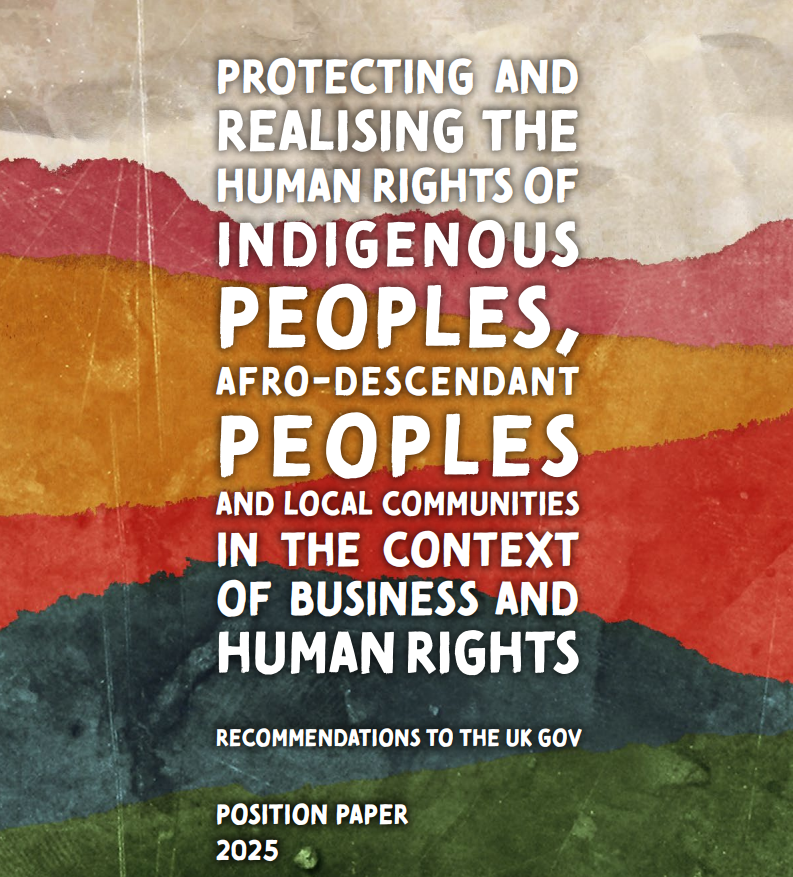
![Cover page of a report titled "Protecting and Realising the Human Rights of Indigenous Peoples, Afro-descendant Peoples, and Local Communities in the Context of Business and Human Rights." The background features textured, layered watercolor-like colors in red, orange, green, and blue.]()
New position paper
Protecting & Realising the Human Rights of Indigenous Peoples, Afro-descendant Peoples & Local Communities in the Context of Business & Human Rights.
-
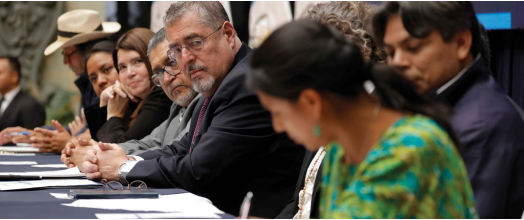
![A group of people sitting at a long table during a meeting or conference.]()
PBI Impact
Decades of Support Culminate in Historic 2024 Guatemala Land Rights Accords.
-
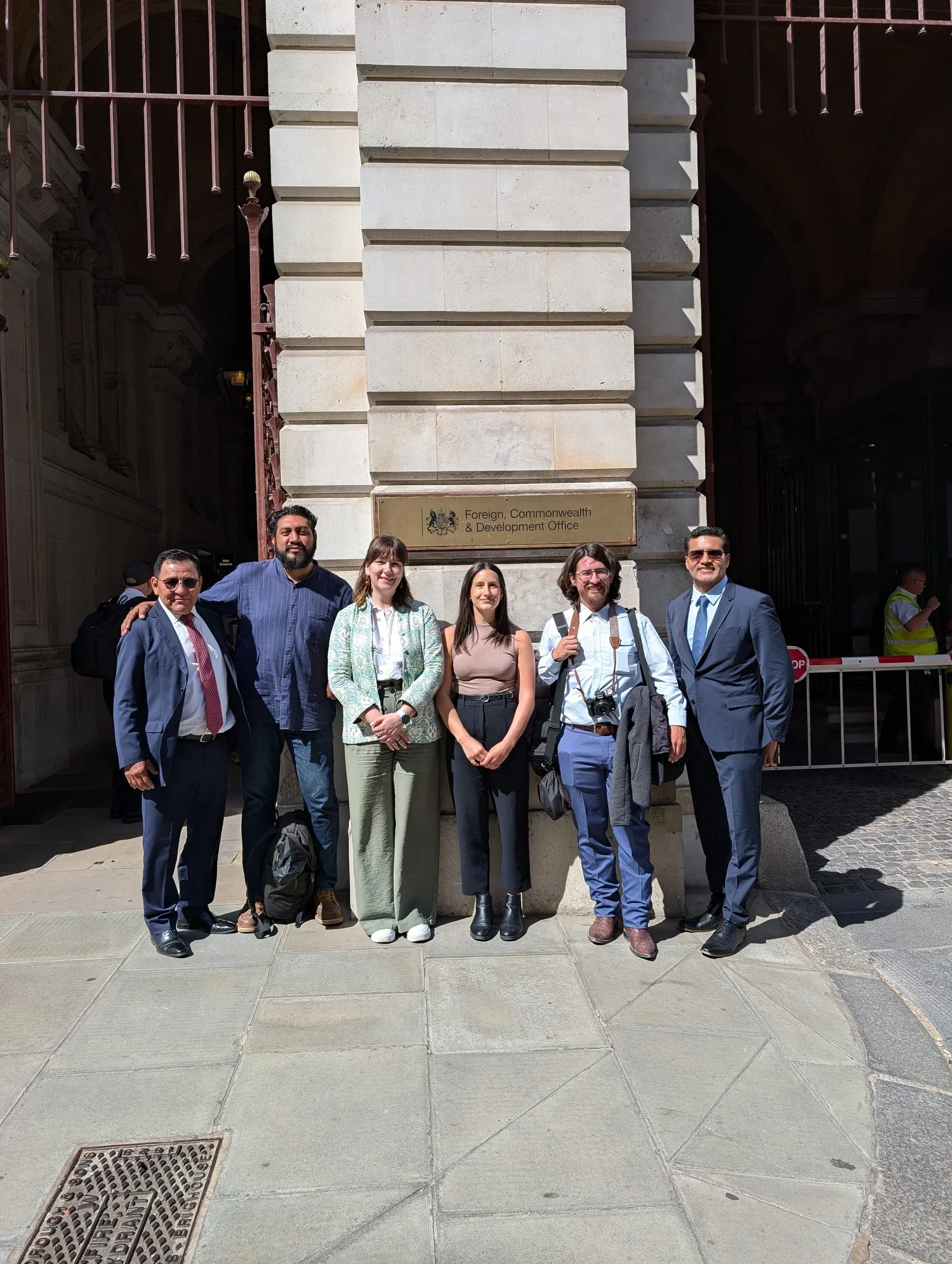
![Group of seven people standing in front of a building with a sign that reads "Foreign, Commonwealth & Development Office."]()
In Conversation with Defenders
In Conversation with Jésus Thomas González - a Mexican land and environmental defender.