Human Rights Defenders: Climate's First Responders, Most Under Threat
London Climate Action Week Reflections by Charmain Mohamed, PBI UK Director

Charmain Mohamed, PBI UK Director
The irony was not lost that last week’s London Climate Action Week (LCAW) happened during a heatwave, accompanied by threat-to-life warnings and recommendations to stay at home. Those of us who were able to traverse the city to attend events faced melting tarmac, a failing public transport system triggered by severe heat and wholly inadequate infrastructure to cope with the conditions. I was mindful that the cost of these impacts will be borne by local London communities, a reality mirrored globally where communities most impacted by climate change are often the ones paying the price. But, in some parts of the world, this can sometimes mean with their lives.
Three different reports released in the last month underscore this current reality. The UN High Commissioner for Human Rights reported that 950 human rights defenders had been killed or forcibly disappeared in 2025 for lawful protest and action, while the Business and Human Rights Centre documented almost 800 attacks against defenders raising concerns about business practices; mining, fossil fuels and agribusiness – leading drivers of deforestation – are cited as the sectors connected with the highest number of attacks. Attacks against land, environmental and Indigenous defenders are also on the rise, with Front Line Defenders reporting that 40% of their documented cases for 2025 were against these defenders, and the Business and Human Rights Centre highlighting that 75% of their 2025 cases were against this group.
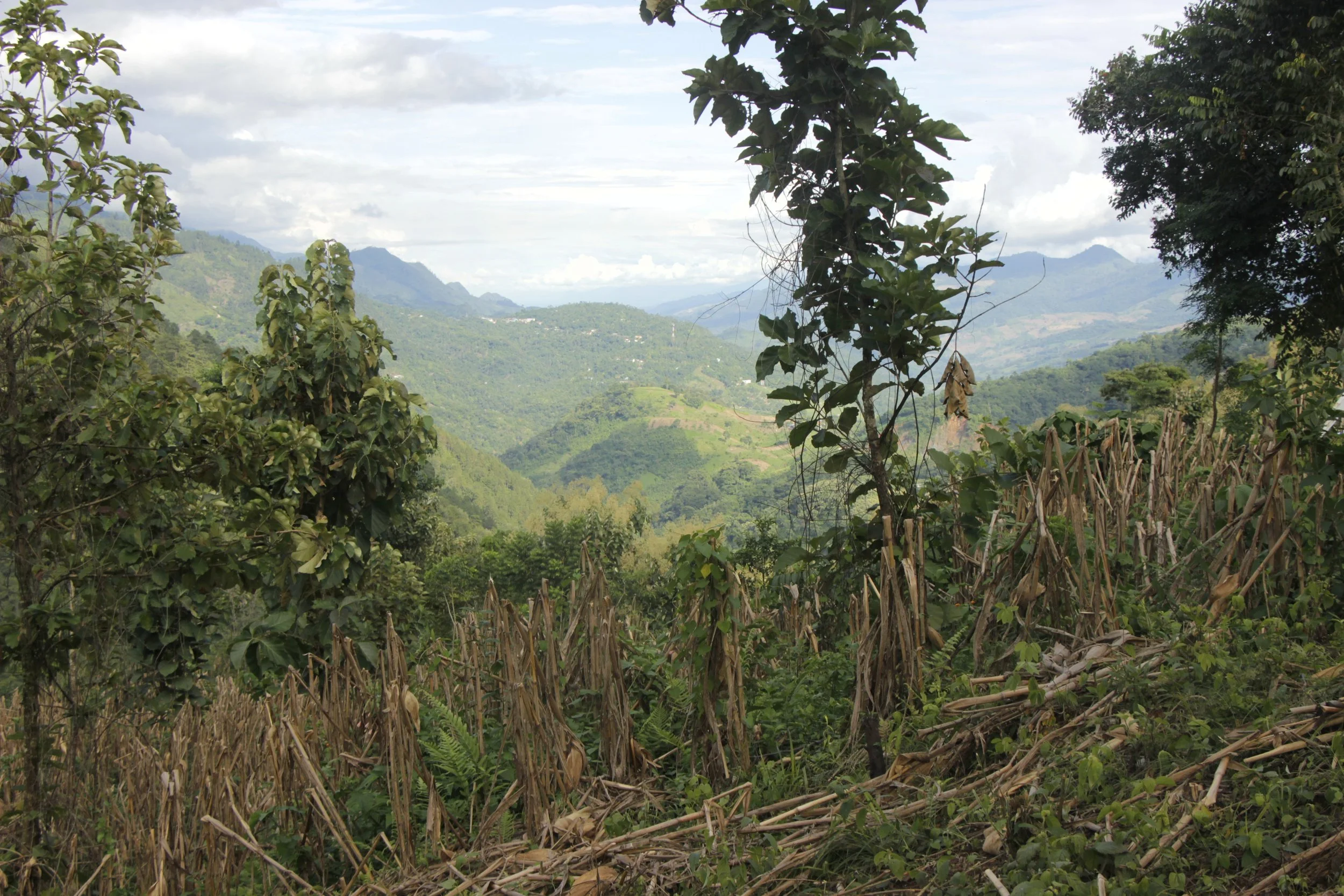
This, perhaps, is the bigger irony. Despite being essential to designing and implementing solutions to reduce and mitigate the effects of climate change where it is needed the most, land, environmental and Indigenous defenders are being disproportionately affected by climate change and targeted for their activism trying to prevent it. Nearly 40% of the planet's intact forests exist within Indigenous territories. The communities who live there are the ones who know best how to protect them, what the biggest threats are, including illegal extractive operations, and how to reinforce and build sustainable defences against extreme weather through tried-and-tested inter-generational forest and water management systems.
Enabling those on the front lines to be part of the solution should therefore be at the top of States’ to-do lists. But, the current reality is quite the opposite. Globally, human rights defenders report their number one risk is criminalisation, as States increasingly resort to arrest, detention, surveillance and legal action, often to protect corporate interests, to silence dissent and isolate communities at the frontline. Often, journalists and lawyers who support or report on these developments are also targeted. This is not only a violation of their human rights and a chilling policy to eliminate calls for transparency and accountability, but also a counterproductive climate strategy that will ultimately cost us all.
Over half of the human rights defenders Peace Brigade International (PBI) works with are land, environmental or Indigenous defenders. Providing protection to these defenders and their communities increases the space they have to make a real difference. Last year, two members of the environmental organisation Honduran Alternative for Community and Environmental Vindication (ARCAH) in Honduras were acquitted in a criminalisation case brought by the poultry company El Cortijo after ARCAH accused the company of causing environmental damage to the Choluteca River. PBI supported ARCAH throughout the legal process, including international observation of hearings, physical accompaniment, and advocacy that brought greater profile to the case, with participation from members of the diplomatic corps. PBI’s support ensured visibility and protection for this crucial human rights work in defence of our shared environment, demonstrating what defenders on the front lines can achieve with sufficient support. However, this case also demonstrates the need for continued vigilance: less than one year later, the poultry company has filed a defamation complaint against the Coordinator of ARCAH, Christopher Castillo, regarding ARCAH’s defence of the Choluteca River and the public complaints it made against the company for alleged contamination.

At LCAW last week, not all discussions put community voice or its protection at the heart of solutions. This is a mistake and contrary to what evidence-based assessments conclude, including from the UN Secretary-General António Guterres, who used his speech at LCAW to call for States to “safeguard human rights defenders and journalists reporting on climate and the environment,” as a necessary part of the strategy to counter rising disinformation and erosion of trust in scientific data and analysis.
Accountability and responsibility need to go hand in hand. While there was clearly visible community representation at some LCAW events last week, including by Indigenous peoples, most of the real decision-making took place in invite-only, closed-door meetings focused on climate impact mitigation. While this may be necessary, it is still important to invest in prevention, and protection is a key part of that. Human Rights Defenders already bear the costs when things go wrong, so they need to be empowered and protected to exercise the agency and influence needed to shape decisions that directly affect their communities. They are best placed to know the causes and effects of discussions happening elsewhere, but are often not part of them, and certainly not in a mandatory or institutionalised manner. For this to happen, they need to be protected from the threats on their doorstep and enabled to do their crucial work.
The climate crisis is a human rights crisis, disproportionately harming marginalised groups already facing systemic injustice. The defenders PBI works with continue to expose that reality and offer real solutions for addressing it. They need all of our support.