The UK at the Human Rights Council & Next Steps in Business and Human Rights
written by Ana Davis
The 62nd session of the UN Human Rights Council (UNHRC) took place from 15 June to 7 July 2026. PBI and other NGOs joined the discussions, contributing expertise and testimony on the current issues facing human rights defenders.
The UK currently serves as a member of the UNHRC, and the UK government contributed interventions throughout the 62nd session. It raised important issues around media, surveillance, gender, LGBTQ+ rights, and the role of companies in protecting human rights.
Media, Surveillance, and Companies
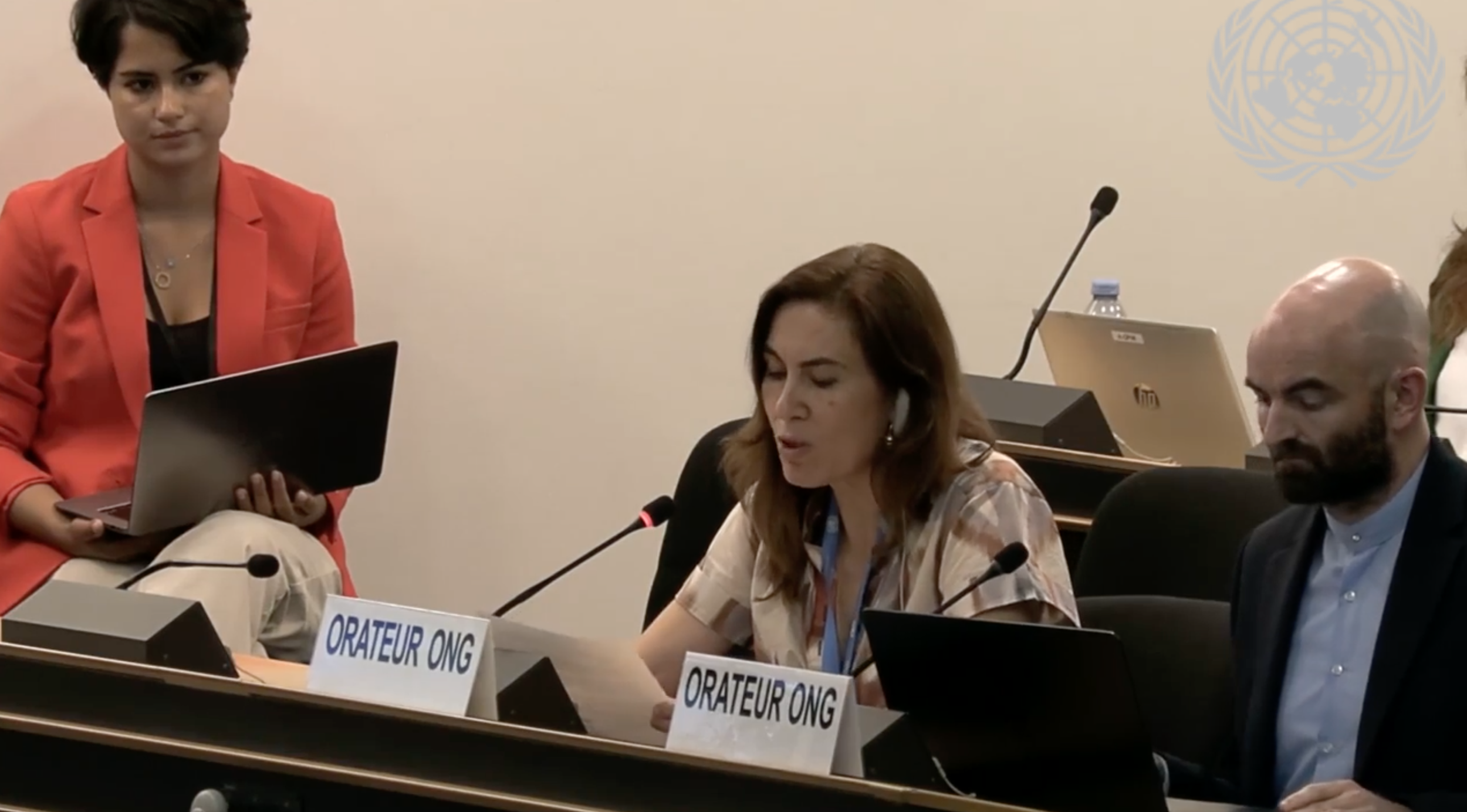
In the interactive dialogue with the Special Rapporteur on promotion and protection of the right to freedom of expression, the UK emphasised the foundational role that media has in democracy and the protection of human rights. It particularly noted the increasingly significant role of digital media and tech companies, and asked the Special Rapporteur how to ensure that tech companies respect freedom of expression without over-regulating or restricting legitimate speech. The UK is co-chair of the Media Freedom Coalition, which has highlighted the increasing dangers faced by journalists, especially those in conflict contexts.
In the dialogue with the Special Rapporteur on peaceful assembly and association, these dangers were further discussed. The UK is a member of the Freedom Online Coalition, which was represented by Switzerland in the interactive dialogue. The coalition responded to the Special Rapporteur’s report on the chilling effect of digital surveillance, supporting the report’s call for stronger safeguards against surveillance by both states and technology companies. A 2025 report supported by Reporters Without Borders reveals the influence of big tech companies in anti-regulation legislation to the detriment of privacy and safety.
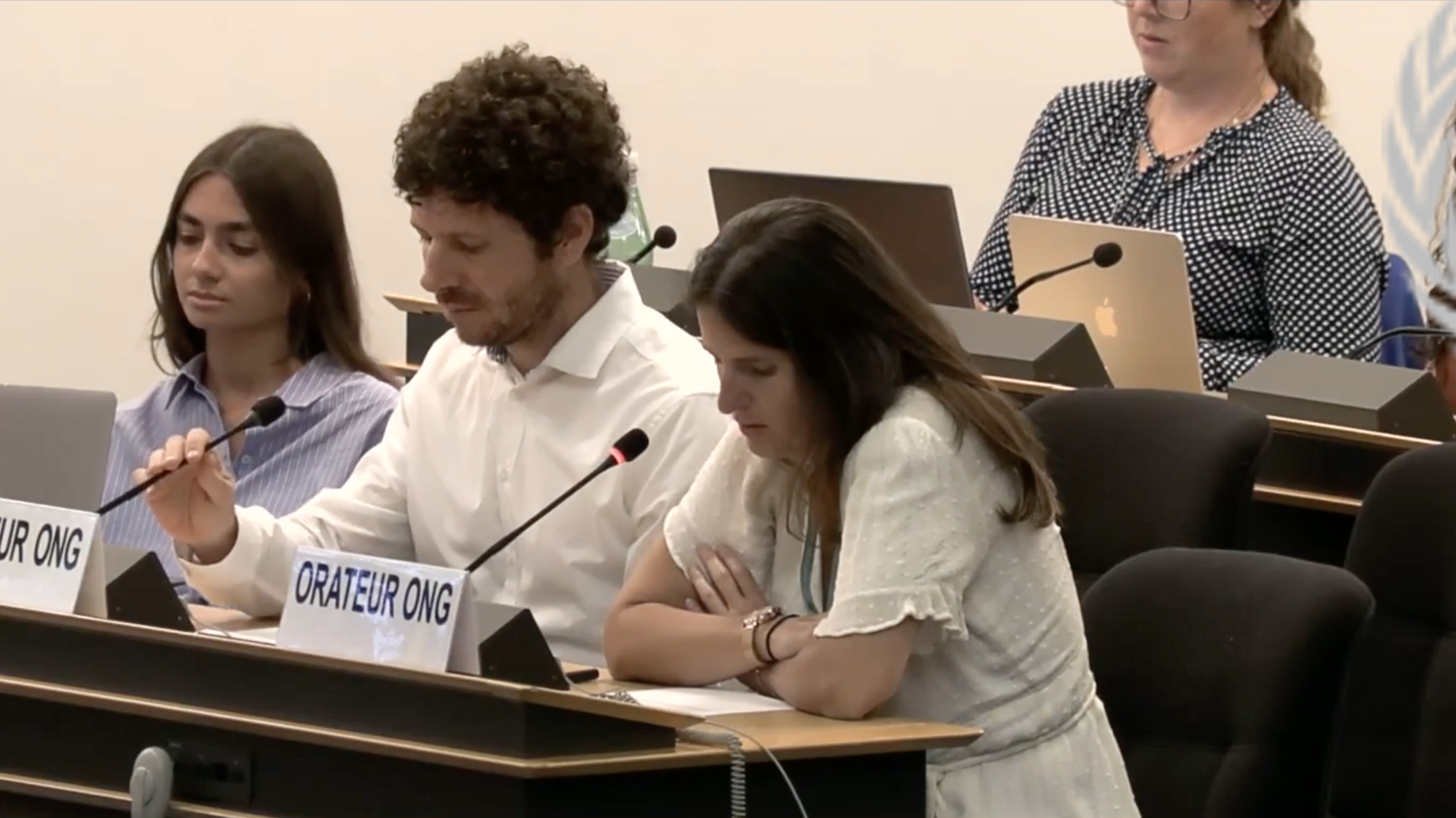
Companies were additionally highlighted in the context of food security and climate change. In its position on the draft resolution on human rights and climate change, the UK called for urgency and ambition in mitigation action, as well as a ‘“just, orderly and equitable transition.” The Council of Europe (CoE), which the UK is a member of, responded to the report of the Working Group on the issue of human rights and transnational corporations and other business enterprises. The report links food security programmes to land-grabbing, modern slavery, child labour, and other forms of human rights abuse. The CoE stated that “corporate responsibility and sustainability targets” are vital to ensure a rights-based approach to business activities. A rights-based approach to business is also crucial for the protection of human rights defenders, as the Business and Human Rights Centre documented 790 attacks worldwide in 2025 against defenders campaigning against business-related human rights violations, with a disproportionate impact on Indigenous communities.
Women, Girls, and LGBTQ+ Rights
In May 2026, the UK and seven partner countries launched the International Coalition to End Violence against Women and Girls, committed to combatting violence against women and girls both online and offline. In a joint statement for the Annual Discussion on Women’s Rights, the coalition identified violence against women and girls as a “global and national emergency,” with one in three experiencing violence over their lifetime.
Online and ‘AI-enabled harms’ were particularly emphasised in the UK’s statement for the interactive dialogue on discrimination against women and girls. The UK funds Artificial Intelligence for Development (AI4D), a development programme aiming to “foster safe, inclusive, rights-based, ethical, and sustainable AI.” Women and girls are disproportionately targeted by deepfakes, online abuse, and other AI-enabled harms, impacting their safety and participation. The UK called for more ‘safety-by-design’ in AI to fight technology-facilitated gender-based violence.
One of the aims of AI4D is to combat the underrepresentation and invisibility of women and girls in data, which informs how AI systems learn. In the interactive dialogue with the independent expert on sexual orientation and gender equality, the UK referenced invisibility in data and policy as a key factor in the unique discrimination faced by LBQ+ women and girls and transgender and gender-diverse people. In December 2025, the UK launched the All In Coalition, which aims to bring together leaders, experts, and “influential personalities” from around the world to fight violence against women and girls.
What should the UK do next?
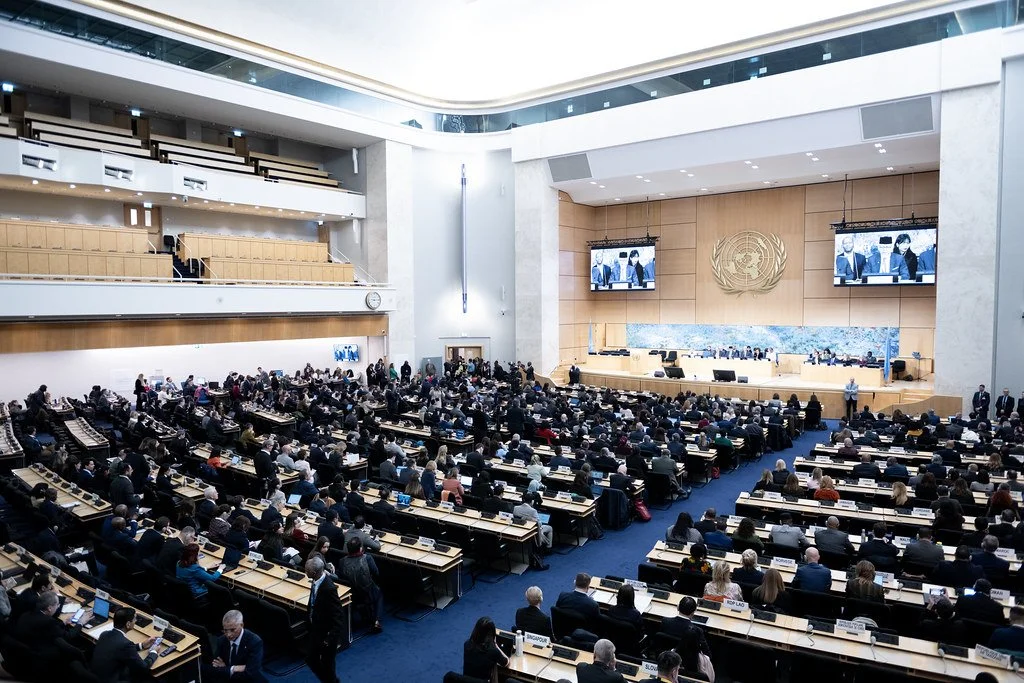
The UK’s interventions at the 62nd session of the UNHRC highlight the complex environment in which defenders operate. Front Line Defenders’ 2025/2026 Global Analysis found surveillance to be one of the five most common attacks on human rights defenders, with surveillance particularly prevalent as a violation against LGBTIQ+ rights defenders, women’s rights defenders, and human rights movements. Violations against land, Indigenous, and environmental defenders make up 8.7% of the total violations documented, with attacks heightened by actors with economic interests that target defenders and lobby against protections for human rights defenders.
In multiple statements, the UK asked what can be done to ensure that companies respect human rights and adopt a human rights based approach, and it also called for greater mitigation efforts in the human rights and climate change space. One step toward safer and more rights-based business practice in the UK and abroad is through the adoption of a Business, Human Rights and Environment Act, which would align UK legislation with international human rights standards and help identify and prevent harms throughout UK companies and public institutions, including in their supply chains. In 2025, the Business and Human Rights Centre documented 41 attacks against human rights defenders connected to companies headquartered in the UK. PBI’s Case for Change report further reveals the urgency for greater due diligence by detailing human rights abuses linked to UK businesses in Latin America. A Business, Human Rights and Environment Act would support human rights defenders fighting for justice in contexts driven by corporate demands and economic interests.
Call to Action:
Write to your MP in support of a Business, Human Rights and Environment Act
Donate to PBI UK to support human rights defenders at risk, and sign up to PBI UK’s quarterly newsletter to stay in the loop
Consider volunteering in one of our frontline teams, supporting human rights defenders on the frontlines